
Reverse Osmosis Water Storage Tanks
-

neoPure
NeoPure ROT-4.5W Reverse Osmosis Storage Tank Powder Coated Steel 4.5 Gal with NeoFit Tank Valve
Regular price $35.47 Unit priceUnit price /UnavailablePart #: NPROT-4.5
-
 Regular price From $35.47 Unit priceUnit price /UnavailableVery low stock
Part #: RO-132-14W
Save up to 5% with bulk pricing -
 Regular price From $33.19 Unit priceUnit price /Unavailable
Part #: RO-122-14W
Save up to 5% with bulk pricing -
 Regular price $44.95 Unit priceUnit price /UnavailableBackordered
Part #: TP-12P
-
 Regular price From $84.83 Unit priceUnit price /Unavailable
Part #: ROT-11-34W
Save up to 12% with bulk pricing -
 Regular price From $34.15 Unit priceUnit price /Unavailable
Part #: ROT-4.5W
Save up to 12% with bulk pricing -
 Regular price $55.95 Unit priceUnit price /UnavailableBackordered
Part #: RO-152-14W
-
 Regular price From $52.99 Unit priceUnit price /UnavailableLow stock
Part #: ACT-820-JG
Save up to 23% with bulk pricing -
 Regular price From $32.15 Unit priceUnit price /Unavailable
Part #: ROT-3.2W
Save up to 12% with bulk pricing -
 Regular price $89.95 Unit priceUnit price /UnavailableBackordered
Part #: TP-35-14W
-
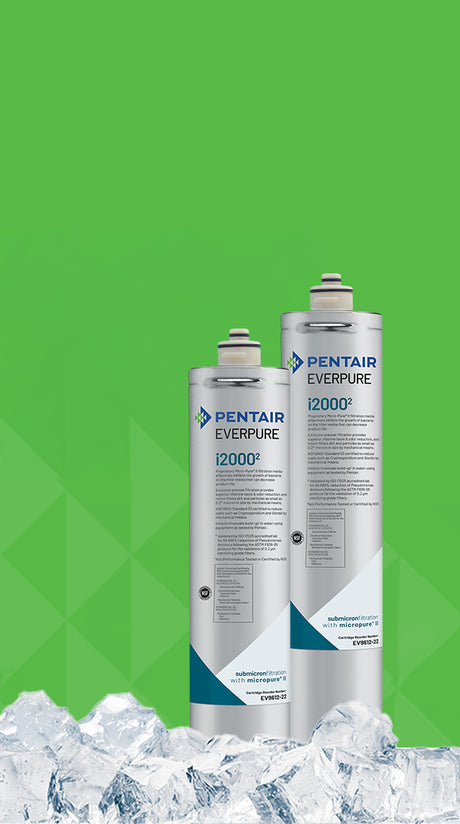
Everpure i2000 Insurice Filter Cartridge
Discount Applied in Cart!
-
 Regular price From $199.50 Unit priceUnit price /Unavailable
Part #: ROT-20-34W
Save up to 5% with bulk pricing -
 Regular price From $136.16 Unit priceUnit price /Unavailable
Part #: RO-1070-14W
-
 Regular price $44.09 Unit priceUnit price /UnavailableBackordered
Part #: RO-120-14W
-

Structural Pentair Water
Regular price $794.12 Unit priceUnit price /UnavailableVery low stockPart #: ROMATE-40
-
 Regular price From $318.10 Unit priceUnit price /UnavailableBackordered
Part #: ROT-40-10W
Save up to 4% with bulk pricing -
 Regular price From $29.95 Unit priceUnit price /Unavailable
Part #: NPROT-3.2E
-

Structural Pentair Water
Regular price $456.60 Unit priceUnit price /UnavailablePart #: ROMATE-20
-
 Regular price From $43.88 Unit priceUnit price /Unavailable
Part #: ACT-820-NPT
Save up to 5% with bulk pricing -

Structural Pentair Water
Regular price $1,082.45 Unit priceUnit price /UnavailableVery low stockPart #: ROMATE-80
-
 Regular price $288.57 Unit priceUnit price /UnavailableBackordered
Part #: TP-150-10W
-
 Regular price $46.50 Unit priceUnit price /Unavailable
Part #: TP-16P-14W
-
 Sold Out
SHURflo
Regular price From $65.18 Unit priceUnit price /UnavailableSold outPart #: 181-201
Save up to 1% with bulk pricing -
 Sold OutRegular price $159.95 Unit priceUnit price /UnavailableSold out
Part #: RO-2000-10W
-
 Sold OutSale price From $247.83 Regular price $275.36 Unit priceUnit price /UnavailableSold out
Part #: 143-293
-
FREE SHIPPING
-
 Sold OutRegular price $39.35 Unit priceUnit price /UnavailableSold out
Part #: ROT-1.0-14W
-
 Sold OutRegular price $34.19 Unit priceUnit price /UnavailableSold out
Part #: RO-105-14W
-
 Sold OutRegular price $35.68 Unit priceUnit price /UnavailableSold out
Part #: ROT-PRO-3.2


Want to learn more?
Reverse osmosis storage tanks hold purified water until it's needed, ensuring a steady supply whenever you turn on the faucet. Fresh Water Systems offers RO storage tanks for residential, commercial, laboratory, café, brewery, and light industrial applications.
Types of Reverse Osmosis Storage Tanks
Pressurized Diaphragm Tanks
Standard residential reverse osmosis systems use hydropneumatic pressure tanks with a flexible diaphragm that separates purified water from compressed air. When the faucet opens, air pressure pushes stored water through the system without requiring external power, providing consistent water pressure while the RO membrane continues producing water. Common tank sizes range from 2 to 40 gallons, with usable capacity varying by model and air pre-charge.
Steel, Stainless Steel & Composite Tanks
Powder-coated steel tanks are commonly installed beneath kitchen sinks, while stainless steel models are preferred for high-purity applications. Fiberglass-reinforced composite tanks offer excellent corrosion resistance in demanding environments. Many RO tanks feature food-grade diaphragms or polypropylene liners, and select models are certified to NSF/ANSI 58 standards.
High-Capacity Commercial Tanks
Commercial reverse osmosis storage tanks help bridge the gap between membrane production and peak water demand. Restaurants, cafés, breweries, laboratories, and industrial facilities rely on larger pressurized tanks to reduce system cycling and maintain consistent flow. Atmospheric storage tanks provide even greater capacity but require a separate delivery pump.
How to Choose the Right RO Storage Tank
Start by determining your daily water usage, peak demand, and required usable capacity. Keep in mind that the listed tank volume represents total internal capacity, while the actual amount of stored water depends on feed pressure and air pre-charge. For example, a typical 4.5-gallon residential tank measures approximately 11 inches in diameter and is rated for pressures up to 100 psi, while a 14-gallon model is roughly 15 inches wide and 23 inches tall.
Verify the tank's maximum working pressure, construction materials, certifications, and connection size before purchasing. Match the inlet threads and shutoff valve with your system's tubing, including 1/4-inch or 3/8-inch quick-connect fittings when applicable. Measure your installation space carefully and leave enough clearance to access the valve. For commercial systems, compare tank drawdown with membrane production rates, peak demand, and operating pressure requirements.
Installation & Maintenance Tips
Before installation, shut off the water supply and relieve system pressure. Check the tank's air pre-charge only when the tank is completely empty. Most residential tanks are set between 5 and 7 psi, but always follow the manufacturer's recommended specifications.
After connecting the tank valve and tubing, restore the water supply and inspect all fittings for leaks. Periodically check the air pressure and monitor for reduced water flow, lower storage capacity, or water leaking from the air valve, as these may indicate a failed diaphragm or a tank that needs replacement.
Frequently Asked Questions
What is the best tank for storing RO water?
The best reverse osmosis storage tank provides enough usable capacity for your peak water demand while matching your system's pressure, connection size, and material requirements. Most homes use pressurized diaphragm tanks, while larger commercial systems often benefit from composite or atmospheric storage tanks.
Do you need a storage tank for reverse osmosis?
Most conventional reverse osmosis systems require a storage tank because the membrane produces purified water slowly. The tank stores water in advance, allowing higher flow rates when needed. Tankless RO systems use different designs and should follow the manufacturer's specifications.
How long does an RO storage tank last?
Most reverse osmosis storage tanks last 10 years or longer, depending on water quality, usage, and diaphragm condition. Replace the tank if water comes out of the air valve, the shell develops leaks, or restoring the air pressure no longer improves performance.
Tank Accessories & Support
Complete your installation with compatible tank valves, pressure gauges, tubing, fittings, and sanitizing supplies. If you need help selecting the right reverse osmosis storage tank, our water treatment specialists are available to assist with sizing recommendations, custom solutions, and bulk pricing.