

If you're comparing RO water vs distilled water, you're looking at two of the most popular ways to produce highly purified drinking water. Both methods can reduce a wide range of contaminants, but they use very different treatment processes and offer different experiences for homeowners.
The biggest difference is that reverse osmosis uses filtration and membrane technology, while distillation uses heat, evaporation, and condensation. Those differences affect taste, cost, convenience, production speed, and everyday usability.
When comparing reverse osmosis vs distilled water, consider:
- Purification method
- Drinking-water taste
- Contaminant reduction
- Production speed
- Installation requirements
- Ongoing cost
- Daily household use
No. Although both produce highly purified water, they use completely different purification processes.
Reverse osmosis pushes water through multiple filtration stages and a semipermeable membrane. Distillation purifies water by boiling it into steam and condensing it back into liquid.
Quick Comparison
- RO water: Membrane filtration plus pre- and post-filtration
- Distilled water: Boiling and condensation
- RO water: May retain or reintroduce trace minerals
- Distilled water: Extremely low mineral content
- RO water: Often described as fresher tasting
- Distilled water: Commonly described as flatter or blander
Although the treatment methods differ, both technologies share several benefits.
Both can:
- Reduce a wide range of contaminants
- Produce cleaner-tasting water than untreated tap water
- Reduce dependence on bottled water
- Improve confidence in drinking-water quality
This overlap is why many homeowners compare reverse osmosis vs distilled water in the first place.
What Contaminants RO and Distillation Can Reduce
Both reverse osmosis and distillation can reduce many contaminants commonly found in drinking water, though they accomplish this differently.
Reverse osmosis uses membrane separation and multiple filtration stages, while distillation separates purified water through evaporation and condensation.
Both methods may help reduce:
- Dissolved solids (TDS)
- Heavy metals
- Salts
- Many chemical contaminants
- Some microorganisms
- Taste and odor issues
For homeowners evaluating treatment options, both technologies are considered highly effective purification methods.
Learn more: How to Identify Contaminants in Your Drinking Water
Environmental Impact: RO Water vs Distilled Water
Both options can reduce bottled-water consumption, but they create different environmental tradeoffs.
RO Systems
- Require replacement filters
- Produce wastewater during filtration
- Generally use little or no electricity
Distillers
- Require significant electricity for heating water
- Produce very little wastewater
- Have fewer replacement components
Compared With Bottled Water
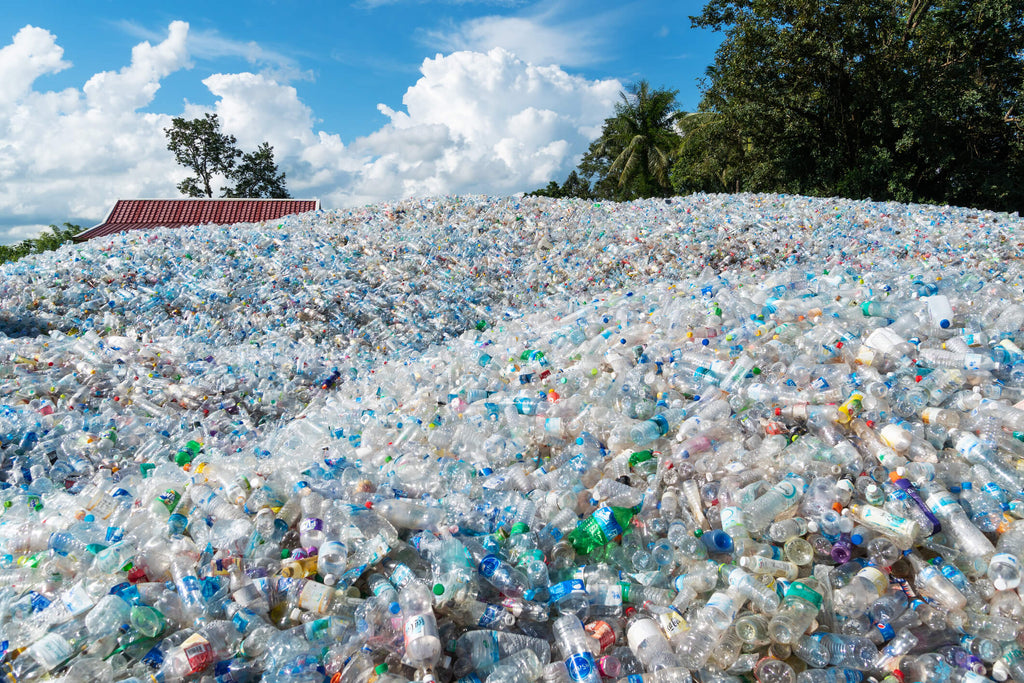
Both RO and distillation can substantially reduce reliance on bottled water and the plastic waste associated with it.
Key Differences Between RO Water and Distilled Water
When comparing RO water vs distilled water, the most important differences typically come down to:
- Treatment process
- Daily convenience
- Production speed
- Taste
- Cost of ownership
These practical differences often matter more to homeowners than minor differences in purity levels.
A reverse osmosis system typically includes:
- Sediment filtration
- Carbon filtration
- RO membrane filtration
- Optional remineralization stages
Water is forced through a semipermeable membrane that blocks many contaminants while allowing purified water to pass through.
Many homeowners choose Reverse Osmosis because they provide ongoing access to purified drinking water at the tap.
Learn more: Stages of Reverse Osmosis Systems | What is a Reverse Osmosis System and How Does It Work?
How Distillation Works
Distillation works differently.
Water is:
- Heated until it becomes steam
- Separated from contaminants
- Condensed back into liquid water
The process removes contaminants by leaving them behind during evaporation.
Takeaway: Reverse osmosis water often retains a more familiar taste profile, especially when remineralization is used, while distilled water is typically more neutral or flat tasting.
Learn more: What is Distilled Water and Is It Safe to Drink? | What is a Water Distiller and How Does It Work?
Which is More Efficient for Daily Use?
For most households, reverse osmosis is the more convenient option for everyday drinking water.
RO systems generally support continuous or stored water production, while distillers produce water more slowly in batches.
Practical implications include:
- Faster access to purified water
- Better support for cooking and beverages
- Easier daily household use
- Less waiting between production cycles
RO Water vs Distilled Water Cost
Upfront Cost
RO Systems
- Equipment purchase
- Installation (if required)
Distillers
- Standalone countertop unit
- Minimal installation
Ongoing Cost
RO Systems
- Filter replacement
- Occasional membrane replacement
Distillers
- Electricity consumption
- Cleaning and maintenance
Bottom line: For regular household drinking water, many homeowners find RO systems more cost-effective per gallon over time.
Advantages of RO Water Over Distilled WaterBetter Taste With Remineralization
Many modern RO systems include remineralization stages that add small amounts of minerals back into the water to improve taste and mouthfeel.
This is one reason many people prefer reverse osmosis water taste vs distilled water.
More Practical for Everyday Household Use
RO systems are often better suited for:
- Drinking water
- Coffee and tea
- Cooking
- Ice makers
- Daily family use
Higher production volumes make RO particularly attractive for busy households.
Lower Ongoing Cost for Many Homes
Because distillation relies on heat, it can become more expensive to operate at higher volumes. For many households, filter replacement costs are lower than long-term energy costs associated with frequent distillation.
Advantages of distilled water over RO water
Distilled water still offers advantages in certain situations.
Easier Option for Renters
Countertop distillers can be attractive for renters who cannot modify plumbing or install under-sink equipment.
Simpler Setup and Operation
Distillers typically require:
- No plumbing connections
- No under-sink space
- Minimal installation planning
This simplicity can appeal to homeowners seeking a portable solution.
When Distillation May Be Preferred for Microbial Concerns
Because distillation relies on boiling and condensation, it is often viewed as particularly effective for microbial control. However, treatment decisions should always be based on actual water quality conditions and testing results.
Common Uses for Distilled Water Beyond Home Drinking
Distilled water is frequently used for:
- CPAP machines
- Steam irons
- Humidifiers
- Laboratory applications
- Specialized equipment requiring low-mineral water
Is RO water the same as distilled water?
No. Both produce purified water, but RO uses membrane filtration while distillation uses evaporation and condensation.
Is distilled water better than RO water for drinking?
Not necessarily. Many homeowners prefer RO for everyday drinking because of its taste and convenience.
Does RO water remove chlorine?
Yes. Most RO systems use carbon prefiltration to reduce chlorine before water reaches the membrane.
Do reverse osmosis systems need electricity?
Most residential RO systems operate using water pressure and do not require electricity, though certain accessories may use power.
Can you boil water instead of using a distiller?
No. Boiling water is not the same as distillation because contaminants remain in the water rather than being separated and condensed.
Does RO Remove Water Hardness?
Reverse Osmosis removes calcium and magnesium that cause hardness, but it only treats the water delivered to the RO faucet. It should not be considered a substitute for a whole-house water softener.
Which Should You Choose for Your Home?
For most households comparing RO water vs distilled water, reverse osmosis is usually the better choice for everyday drinking, cooking, and kitchen use. RO systems provide ongoing access to purified water, generally produce water faster than distillers, and often offer a more familiar taste profile through remineralization.
Distilled water remains a valuable option for specialized applications, portable setups, renters, and equipment that requires extremely low-mineral water. The right choice depends on how you plan to use the water and how much purified water your household consumes each day.
Quick recap:
- Choose RO water for daily drinking, cooking, and family use.
- Choose distilled water for specialty equipment and low-mineral applications.
- Consider taste, convenience, operating cost, and installation requirements before deciding.
If you're looking for a long-term drinking water solution, explore Fresh Water Systems' collection of reverse osmosis systems to compare options for your home.
Learn more: What Is a Reverse Osmosis Booster Pump and How Does It Work?
If you have any additional questions about reverse osmosis or distillation, please do not hesitate to contact us.


