

Osmosis is a natural process where water molecules move across a semipermeable membrane from an area of lower solute concentration to an area of higher solute concentration, driven by osmotic pressure. The molecules migrate until the concentrations are equal.
In contrast, Reverse Osmosis (RO) is a filtration process where external pressure is applied to the side with the higher solute concentration, overcoming the natural osmotic pressure and forcing the water to move in the reverse direction.

pressure → membrane → permeate/brine
Stages of Reverse Osmosis Systems
-
High pressure is applied to the feed water against the semipermeable membrane.
-
This pressure forces water molecules through the membrane, which is designed to allow only water to pass.
-
Contaminants (salts, minerals, etc.) are blocked and remain on the pressurized side.
-
The purified water that emerges on the other side is collected as clean, drinkable water.
-
The remaining concentrated solution of impurities, known as brine or concentrate, is then flushed away.

A reverse osmosis (RO) system uses the core RO membrane along with sediment and carbon filters to effectively reduce a wide range of impurities such as TDS, PFAS, arsenic, and fluoride.
The primary contaminants reduced by reverse osmosis systems can be grouped as follows:
-
Dissolved Solids & Metals
-
Salt (Sodium Chloride)
-
Arsenic
-
Fluoride
-
Heavy metals (e.g., Lead, Mercury)
-
Chemicals
-
PFAS (Per- and Polyfluoroalkyl Substances)
-
VOCs (Volatile Organic Compounds)
-
Herbicides and pesticides
-
Microplastics
-
Taste/Odor
-
Chlorine
-
Sediment
Although bacteria and viruses are typically too large to pass through a RO membrane, conditions can exist in which living organisms can get to the other side. If your water is not already microbiologically safe, RO alone is insufficient. To eliminate living organisms and viruses, we recommend a UV disinfection system.
Pre-filtration → RO membrane → storage → post-filter→safe to drink
1) Pre-filtration:
- The water first passes through prefilters that remove sediment and chlorine to protect the membrane.
2) Reverse Osmosis Separation:
- Water is then forced against the semipermeable membrane that only allows the water molecule to pass through, separating it from inorganic dissolved solids and tiny particles. The water that passes through, called permeate, is then collected in a storage tank for later use. (For context on size, see our guide: How Many Microns Should Your Water Filter Be?).
3) RO Wastewater Disposal:
-
-
The contaminants that do not pass through the semipermeable membrane are flushed to the drain. A flow restrictor is on this path to create the resistance that forces the water through the membrane, and allows the right amount of water to carry the contaminants to drain efficiently.
-
4) Storage and delivery:
- RO membrane produces water slowly, so the next step is a storage tank. The tank accumulates the water, so there is plenty available to flow to the RO faucet when opened.
5) Postfiltration:
- Before reaching the faucet, the stored water is passed through a final carbon post-filter. This removes any lingering tastes or odors that may have been picked up while the water was in the storage tank, ensuring the best possible taste.
RO splits the water flow into permeate that goes to the storage tank and concentrate (also called brine) that goes to drain.
Is RO Water Good for You? Pros & ConsReverse osmosis (RO) systems provide exceptionally clean water by effectively reducing dissolved contaminants, thereby supporting the kidneys’ natural function. Since essential minerals are absorbed most effectively through food, the purification process ensures you receive water in its purest form, delivering superior hydration without compromising your nutritional intake from a balanced diet.
The Environmental Protection Agency (EPA) recommends that total dissolved solids (TDS) not exceed 500 parts per million to ensure safety and taste. Many areas in the U.S. exceed these TDS levels, making reverse osmosis an advantageous option for reducing excess minerals and other contaminants, thereby enhancing the quality and safety of drinking water. Test your water with our water testing and monitoring kits!
Pros:
-
High contaminant removal: Removes up to 99% of harmful contaminants (e.g., PFAS, chlorine).
-
Decreases plastic waste: Using an RO system at home reduces reliance on bottled water, cutting down on plastic consumption and waste.
-
Saves money and maintenance costs: A cost-effective long-term solution because it saves money compared to buying bottled water and reduces appliance maintenance costs by preventing damaging mineral deposits in refrigerators and coffee makers.
Considerations:
-
Removes some natural minerals (calcium, magnesium).
-
Requires an initial investment cost.
Reverse osmosis systems are sometimes criticized for their water use. Most RO systems waste about four gallons of water for every gallon produced. Unlike other filters that trap contaminants, a reverse osmosis system divides water into two streams: one stream delivers purified water to a faucet, and another carries the filtered contaminants to the drain as RO wastewater, called brine or concentrate. The wastewater in an RO system helps clean the water, just like a dishwasher uses water to wash dishes or a washing machine uses water to clean clothes. However, it is our job to care for the environment, minimize the amount of water sent to the drain, and increase the efficiency of the RO system.
-
Install a Permeate Pump: This is the most effective way to boost efficiency. A permeate pump for RO can reduce the wastewater generated by the RO system by 75% to 80%. Not every RO system can accommodate a permeate pump, so make sure the system you choose can.
-
Optimize Water Pressure: Ensure your system maintains the proper feed water pressure with a booster pump. Adequate pressure is crucial for maximizing the speed and output of the unit and extending the lifespan of the RO membrane.
-
Reuse Reject Water: The drain water, though higher in Total Dissolved Solids (TDS), is still perfectly suitable for non-drinking applications. Utilize this reject water for sustainable practices like watering your lawn, landscaping, or maintaining artificial ponds.
The need for a Reverse Osmosis system hinges on your local water quality, as it offers a critical layer of protection by removing heavy metals and chlorine, and is essential for reducing sodium added by water softeners. Even with safe tap water, RO improves taste, offers long-term cost savings, and reduces plastic waste, ensuring consistently pure drinking water in your home.
RO is a Great Fit When...
-
You Have Known Water Quality Issues: RO provides a critical layer of protection by effectively removing high levels of contaminants such as heavy metals, chlorine, and other hazardous substances that may be present in your local water supply.
-
You Use a Water Softener and Restrict Sodium: Water softeners increase the sodium content of your drinking water. If you or someone in your household is on a sodium-restricted diet, an RO system is essential for filtering out nearly all of this added sodium.
-
You Prioritize Purity, Taste, and Sustainability: Even with generally safe tap water, RO systems eliminate residual contaminants and particles that cause unpleasant tastes and odors. Choosing RO also reduces your reliance on bottled water, leading to long-term cost savings and a lower environmental impact (less plastic waste).
Consider Alternatives When…
-
Your Local Water Quality is Excellent: If your municipal water reports show that your tap water already meets high health and safety standards, the full purification power of an RO system may be unnecessary. Simple filtration (like a carbon filter or sediment filter) might suffice.
-
You Have Budget Constraints: RO systems require a higher initial investment and ongoing filter changes. If you are on a tight budget, less expensive options such as activated carbon filters or pitcher filters can still effectively improve water taste and quality for a lower upfront cost.
Point-of-Use (POU)
RO is most commonly installed at the POU, such as under a kitchen or bathroom sink, or connected to a refrigerator for clear ice and better-tasting beverages. POU systems are also frequently used for sensitive applications like seawater aquariums, where RO is paired with deionization (DI) to control the balance of salt and nutrients.
Point-of-Entry (POE)
Whole-house RO (POE) is typically reserved for severe contamination issues, such as high arsenic, silica, or saltwater intrusion from a well. A full POE system is complex, requiring a large storage tank, a high-capacity booster pump to maintain household water pressure, and pre-treatment to handle hard water, iron, or other substances that could foul the RO membrane. Furthermore, water leaving the storage tank should undergo UV Water Purification to ensure disinfection before distribution.
Commercial and Industrial Uses
Commercial systems are designed for high-volume needs, often featuring the ability to recirculate drain water back to the feed supply to maximize efficiency. These large-scale units are essential for reducing scaling and corrosion in industrial equipment, supporting regulatory compliance, and improving product quality in sectors like pharmaceuticals, food and beverage production, and power generation.
How Much Does Reverse Osmosis Cost?The cost of a reverse osmosis system can vary depending on factors such as its capacity, pretreatment, features, brand, and installation requirements. Before purchasing a reverse osmosis system make sure to test your water first with a water test kit.
Portable or countertop RO systems
$100 to $300
Portable RO systems sit on your countertop and either connect to your faucet or operate independently. They’re ideal for apartments or small spaces and have a more affordable price point than more permanent solutions.
Basic under-sink RO systems
$150 to $500
These systems are designed for residential use and are installed under the kitchen or bathroom sink. Depending on the water quality, they usually consist of 3 to 5 stages of filtration. Higher-quality systems may be needed for water with higher levels of contaminants.
Whole-house RO systems
$1,000 to $5,000+
These larger systems are designed to filter all water entering a home, providing purified water to every faucet. As a result, they’re a bit more expensive than under-sink options. Reverse osmosis is just one element of the entire whole-house system–the costs mentioned refer specifically to the RO component.
Commercial/Industrial RO Systems
$5,000 to $20,000+
These large-scale systems are designed for businesses that process food, manufacture, or for larger office buildings. Because of their increased capacity, they are often robust and more expensive.
Overall, the annual cost of maintaining an RO system which includes filter replacements and occasional system sanitization can range from $100 to $400. Additionally, premium systems with advanced features such as UV filtration tend to cost more.
Add-Ons that Improve RO PerformanceWater filtration and purification are never a one-size-fits-all solution. When purchasing a reverse osmosis system for your needs, consider additional features that will make your RO system work to its full potential. Here are a few considerations.
RO Storage Tank
Since RO systems produce water slowly (only 2–3 ounces per minute, meaning a single glass would take about 5 minutes to fill), a storage water tank keeps purified water ready so your faucet delivers a full glass instantly, and selecting the right tank size ensures you always have enough water on hand.
Pretreatment
Pretreatment protects and extends RO membrane life by removing minerals, bacteria, and chemicals before they can cause fouling or scaling, which occur when contaminants build up or form deposits on the membrane. Because different contaminants require different treatment methods, knowing your water quality is essential—well water, for example, often needs more robust pretreatment than city water.
Permeate pump
Boosts RO efficiency and cuts water waste by using the energy from reject water to push purified water into the storage tank— Saving up to 75% of water going to the drain and dramatically reducing the typical 4:1 waste-to-pure-water ratio. If your RO system supports a permeate pump, adding one can significantly lower annual water waste.
Booster pump
Reverse osmosis booster pumps are essential if your home’s water pressure is below 40 psi. If your water pressure is between 40 and 50 psi and your water’s TDS levels are over 500 ppm, you should also use a booster pump. If you do not use an RO booster pump and your water pressure is low, your RO system will not produce water as efficiently or effectively as it otherwise could.
Choosing an RO System: Key ConsiderationsUse this checklist to quickly identify the key factors that ensure you choose the right reverse osmosis system for your home.
Water Source
-
Identify whether your water is city-treated or private well water. City water is usually free of bacteria but may contain dissolved solids. Well water may contain pathogens, chemicals, or heavy metals and often needs pretreatment.
-
Ensure well water is prefiltered for sediment and bacteria before reaching the RO membrane.
-
If heavy metals like arsenic are present, consider adding UV treatment after the storage tank.
Water Demand (GPD)
-
Estimate daily water use based on drinking needs and appliance consumption including ice makers, fridges, and other point-of-use appliances. A recommended daily intake is half your body weight in ounces per day.
-
Match system capacity to your needs by checking GPD (gallons per day) ratings.
Water Pressure
-
RO systems need adequate pressure to function properly. If your household water pressure is below 40 psi we recommend a booster pump for optimal performance.
-
Well systems must be adjusted to provide sufficient pressure for RO operation.
-
High TDS levels may require additional pressure to maintain production rates.
Cartridge Style (RO Style)
-
Choose your preferred filter style based on cost, maintenance, and sustainability:
-
Quick-change: Easiest maintenance; higher cost; more plastic waste.
-
Standard: Lower cost and more eco-friendly; widely available.
-
Proprietary: Unique to system design; only available from dealer; compatible options rare.
-
Consider the number of filter stages (3–5+) for added sediment, chlorine, or polishing filtration.
-
Additional stages can also include remineralization and additional chlorine and sediment removal postfilters.
Installation Requirements
-
Under-sink RO systems are typically DIY-friendly. However, installation requires a dedicated RO faucet, which may involve drilling your countertop.
-
RO systems must connect to a drain with an air-gap to prevent backflow contamination.
-
For whole-house RO, consult a water specialist to ensure proper pretreatment and sizing.
Remineralization
-
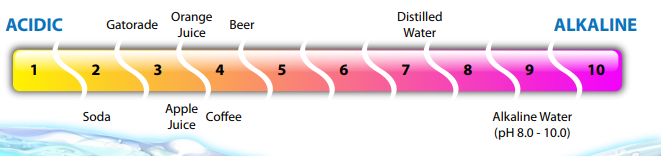
RO removes minerals and lowers pH, making water slightly acidic.
-
Acidic water may be corrosive without post-treatment. Add an acid-neutralizing or remineralizing filter to increase pH, improve taste, and protect plumbing components.
Maintaining a reverse osmosis system is essential to ensure optimal performance and longevity. Here are some key maintenance tips for keeping your RO system in top shape.
Every 6–12 months: Replace pre- and post-filters
Sediment and carbon filters should be swapped out every 6–12 months, depending on water quality and usage. Regular replacement protects the RO membrane and ensures consistent performance.
Every 2–3 years: Replace the RO membrane
Membranes typically last 2–3 years. Monitor membrane performance with periodic TDS checks (learn more in What Is TDS in Water?) and replace the membrane when RO water reaches 30–35% of tap-water TDS.
Periodically
-
Test TDS to confirm system efficiency- Rising TDS levels or decreased water quality signal that filters or the membrane may be due for replacement. Shop TDS meters in our Water Testing & Monitoring category.
-
Check RO storage tank pressure- Ensure the tank maintains 7–8 psi when empty to function correctly. Incorrect pressure can reduce the amount and flow of water dispensed from the tank. Inspect for air gap leaks or corrosion that may affect performance.
-
Protect the system from freezing- Insulate or relocate the system if installed in areas that may reach freezing temperatures to prevent damage
-
Watch water flow and overall quality- A drop in flow or a reduced amount of filtered water typically indicates that maintenance is needed. Address issues promptly to keep water quality high.
1. Neo-Pure Residential 4-Stage Reverse Osmosis System
-
High-efficiency RO system for residential or light commercial use with steady, reliable water quality.
-
Integrated permeate pump for RO improves production and reduces wastewater for better overall efficiency.
-
While not PFAS-certified, the carbon + membrane design helps reduce a wide range of common contaminants.
Suggested capacities:
-
25 GPD – small households or light use
-
50 GPD – families of four or more
-
75 GPD – high-demand or light commercial applications
2. Pentair 3-Stage Reverse Osmosis System
-
Compact under-sink RO system designed for reliable, daily filtration.
-
GRO technology reduces wastewater for more efficient operation.
-
Includes all essential components for fresh, clean drinking water on demand.
Looking for the right balance of capacity, efficiency, and performance?
Compare both options and more in our Reverse Osmosis Systems category to find the best fit for your needs.
Reverse osmosis systems can significantly improve water quality in homes, businesses, and commercial environments by reducing impurities and supporting consistent, reliable performance. Choosing the right system often depends on water chemistry, usage demands, and whether additional components such as UV disinfection or booster pumps are needed to ensure optimal results.
If you’re unsure which RO system is the best fit, our team can help you evaluate your water, size a system appropriately, and recommend any supporting equipment needed for your application. Get a Quote today!


Comments
This design is spectacular! You most certainly know how to keep a reader amused. Between your wit and your videos, I was almost moved to start my own blog (well, almost…HaHa!) Wonderful job. I really enjoyed what you had to say, and more than that, how you presented it. Too cool! https://snokilkirt.com
Thank you kindly!
Many thanks!
Thanks so much!
Great overview of RO systems and their filtration stages.
Great overview of RO systems.
Excellent breakdown of how RO systems work. One aspect worth expanding on is the critical role of the carbon pre-filter stage. The RO membrane (thin-film composite) is extremely sensitive to oxidizers — even 0.1 ppm free chlorine can degrade TFC membranes within months, reducing salt rejection from 97-99% down to 85-90%.
For the pre-filter carbon stage, coconut shell GAC with iodine number >1000 mg/g provides optimal chlorine and chloramine removal. Key design consideration: if your municipality uses chloramines (increasingly common across the US), standard GAC needs 10+ minutes EBCT for adequate removal, while catalytic carbon achieves the same result in 4-5 minutes. This is why budget RO systems with undersized carbon pre-filters often experience premature membrane failure — the carbon exhausts before the scheduled replacement date.
For the post-filter (polishing) stage, a coconut shell carbon block with low ash content (<3%) is ideal. Low ash means minimal mineral leaching into the purified water, preserving the low TDS that the membrane worked hard to achieve. The difference between a mediocre and excellent post-filter often comes down to carbon source quality and activation method (steam activation produces cleaner carbon than chemical activation for taste/odor applications).
Excellent breakdown of how RO systems work. One aspect worth expanding on is the critical role of the carbon pre-filter stage. The RO membrane is extremely sensitive to chlorine and chloramines — even 0.1 ppm free chlorine can degrade thin-film composite membranes within months, reducing rejection rates from 97-99% down to 85-90%.
For the pre-filter carbon stage, coconut shell GAC with iodine number >1000 mg/g provides the best chlorine and chloramine removal. Key design consideration: if your municipality uses chloramines (increasingly common), standard GAC needs 10+ minutes EBCT for adequate removal, while catalytic carbon can achieve the same in 4-5 minutes. This is why some budget RO systems with undersized carbon pre-filters experience premature membrane failure.
For the post-filter (polishing) stage, a high-quality coconut shell carbon block with low ash content (<3%) is ideal — it removes any residual taste without introducing mineral leaching that could affect the purified water’s TDS. The difference between a good and mediocre post-filter is often the carbon source quality.
Thank you so much!
Huge thanks!
hi, I am very interested in this water filtration system.
The Pentair Freshpoint system looks to suite my needs best.
What do you recommend for remineralization. I want to add the beneficial minerals to the water in order to make it best for my wife and 1 year old child.
Thanks, Jonathan
Very detailed article this is what im looking for thank you very much
Thanks for your valuable information
Hi,
Thanks for sharing the information about the reverse osmosis system.
Recommending post!!…Nice
I am from Myanmar.
I am now considering to install a RO system in my house. I would like to know if the RO system can remove the bacteria and/or virus? If no, please let me know how to remove them.
I use a borehole tube-well for my household drinking water. Do we need to remove them from the borehole tube-well water?
Thanks.