

Why Hard Water Is a Problem for Your Home
Hard water is water that contains high levels of dissolved minerals, primarily calcium and magnesium. While hard water is common in many homes, especially those using groundwater or well water, it can create ongoing problems like scale buildup, appliance damage, poor soap performance, and dry skin or hair. Understanding what hard water is and how it affects your plumbing and household systems can help you choose the right hard water solutions, including water softeners and other water treatment options.
Quick Answer — What Is Hard Water?
Hard water is water that contains elevated levels of dissolved minerals, mainly calcium and magnesium. These minerals cause scale buildup, reduce soap effectiveness, and can damage plumbing and appliances over time.
What is Hard Water Made Of?Hard water forms when groundwater passes through limestone, chalk, or other mineral-rich rock formations and absorbs dissolved minerals along the way. The two primary minerals responsible for water hardness are calcium and magnesium.
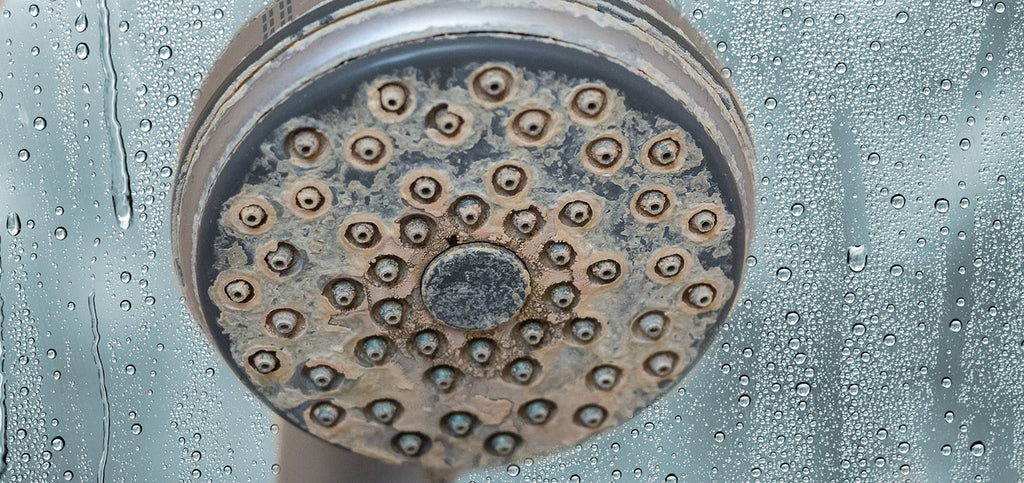
As these minerals accumulate in water, they can leave behind deposits known as scale buildup inside pipes, water heaters, faucets, and appliances. Calcium carbonate is one of the most common compounds associated with hard water scale.
Although hard water is not usually considered dangerous to drink, excessive mineral content can reduce cleaning performance and increase long-term maintenance costs throughout the home.
Hard Water Levels ExplainedWater hardness is typically measured in grains per gallon (GPG) or milligrams per liter (mg/L). The higher the mineral concentration, the harder the water.
|
Water Hardness Level |
Grains Per Gallon (GPG) |
Milligrams Per Liter (mg/L) |
|
Soft |
0–1 |
0–17.1 |
|
Slightly Hard |
1–3.5 |
17.1–60 |
|
Moderately Hard |
3.5–7 |
60–120 |
|
Hard |
7–10.5 |
120–180 |
|
Very Hard |
10.5+ |
180+ |
Homes with hard or very hard water often experience noticeable scale buildup and reduced appliance efficiency.
What Causes Hard Water?
Hard water develops naturally as groundwater moves through underground rock and soil formations rich in calcium and magnesium. As water travels through these mineral deposits, it absorbs dissolved minerals before entering wells or municipal water systems.
Groundwater sources and private wells are especially likely to contain hard water because they spend more time in contact with mineral-rich rock formations.
Is Well Water Always Hard?
Well water is often harder than municipal water because groundwater naturally absorbs minerals underground before entering private wells. However, not all well water is hard. Water hardness levels vary depending on regional geology and groundwater conditions.
Homes using private wells are more likely to experience high water hardness and may benefit from ongoing testing and treatment.
Signs You Have Hard Water
Hard water can create several noticeable problems throughout the home.
Common signs of hard water include:
- Soap that does not lather easily
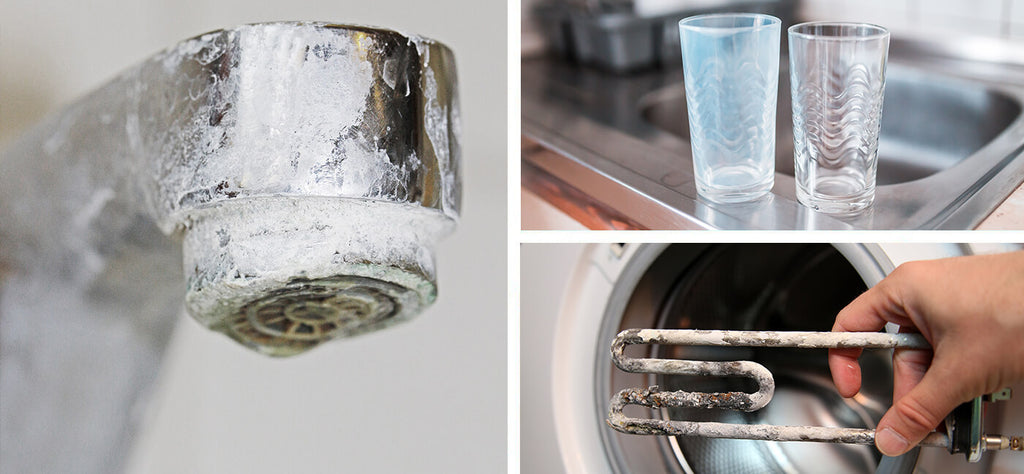
- White spots on dishes and glassware
- Scale buildup on faucets and fixtures
- Dry skin and dull hair
- Reduced water pressure from clogged pipes
- Soap scum in sinks, tubs, and showers
These hard water effects typically become more noticeable as mineral buildup increases over time.
How to Test for Hard Water
Testing is the most reliable way to determine your water hardness level and identify the best treatment solution.
Common hard water testing methods include:
- Water testing kits and test strips for fast, affordable screening
- Liquid test kits for more accurate hardness measurement
- Professional laboratory testing for comprehensive water analysis
Water testing is especially helpful for homeowners using well water or experiencing persistent hard water effects.
The Real Cost of Hard WaterHard water can increase household expenses over time by reducing appliance efficiency, increasing energy consumption, and creating ongoing cleaning challenges.
Common costs associated with hard water include:
- Appliance damage from scale buildup
- Reduced efficiency in water heaters
- Increased soap and detergent use
- Frequent plumbing maintenance
- Shortened lifespan of fixtures and appliances
Without proper treatment, hard water can contribute to long-term maintenance and replacement costs throughout the home.
Effects of Hard Water on Your Home
Plumbing & Appliances
Scale buildup caused by calcium and magnesium can accumulate inside pipes, faucets, water heaters, dishwashers, and washing machines.
Common plumbing and appliance problems include:
- Reduced water flow and pressure
- Decreased appliance lifespan
- Higher energy consumption
- Mineral buildup inside plumbing systems
Over time, hard water effects can significantly reduce the efficiency and performance of household plumbing, fixtures and appliances.
Laundry & Dishes
Hard water makes it more difficult for soap and detergent to clean properly.
This can result in:
- Faded or stiff clothing
- White residue on dishes and glassware
- Increased detergent usage
- Dingy laundry appearance
Hard water often leaves behind mineral residue even after repeated washing.
Skin & Hair
Hard water can affect personal care by leaving mineral residue on the skin and hair after bathing.
Common effects include:
- Dry or irritated skin
- Dull or brittle hair
- Soap residue after showering
- Increased skin sensitivity
Many homeowners notice improvements in skin and hair comfort after installing hard water solutions.
Is Hard Water Safe to Drink?In most cases, hard water is considered safe to drink. Calcium and magnesium are naturally occurring minerals and are not usually harmful at typical concentrations. In fact, calcium is considered a beneficial mineral for human consumption. The effect of hard water however, plays a key role in destroying plumbing, fixtures and especially hot water using appliances. However, while hard water is generally safe, it may affect taste, create scale buildup, and contribute to appliance wear over time.
Hard Water vs Soft WaterUnderstanding the difference between hard water and soft water can help homeowners choose the right treatment approach.
Hard Water
- High levels of calcium and magnesium
- Causes scale buildup
- Reduces soap effectiveness
- Contributes to appliance wear
Soft Water
- Has no hardness causing minerals
- Does not create scale buildup
- Improves soap and detergent performance
- Reduces plumbing and appliance maintenance
Comparing hard water vs soft water helps explain why many homeowners install water softeners to improve overall water quality.
Several treatment options are available depending on your water hardness level, water source (city or well), household size, and treatment goals.
Water Softeners (Best Solution)
Water softeners are considered the most effective long-term solution for treating hard water.
Water softeners use ion exchange technology to remove calcium and magnesium from the water supply and replace them with sodium or potassium ions.
Benefits of water softeners include:
- Reduced scale buildup
- Improved soap performance
- Better appliance efficiency
- Softer skin and hair
- Brighter, whiter laundry and clothes that hold their color
- Longer plumbing lifespan
For most homeowners dealing with moderate to severe hard water, water softeners provide the most comprehensive treatment solution.
Anti-Scale Systems (Salt-Free Conditioners)
Hard water solutions such as salt-free conditioners help reduce scale buildup without removing minerals from the water.
These systems are designed to:
- Condition minerals instead of removing them
- Reduce scale accumulation
- Minimize maintenance requirements
However, salt-free systems do not technically soften water because calcium and magnesium remain present in the water supply.
Reverse Osmosis (Point-of-Use)
Reverse osmosis systems are commonly used to improve drinking water quality at a single faucet or point of use.
Reverse osmosis systems can help reduce:
- Dissolved minerals
- Certain contaminants
- Total dissolved solids (TDS)
Although reverse osmosis systems are not typically used for whole-house hard water treatment, they can provide excellent drinking water purification when combined with other filtration methods, like a water softener.
Choosing the right hard water treatment system depends on several factors related to your household water usage and water hardness level.
When comparing hard water solutions, consider:
- Whole-house filtration
- Overall water hardness level
- Household budget
- Point of use solution for water heaters
- Ongoing maintenance preferences
- Desired level of scale protection
Testing your water and identifying your specific water hardness level can help narrow down the best treatment option.
Frequently Asked QuestionsHow does hard water affect household appliances?
Hard water causes scale buildup inside appliances such as water heaters, dishwashers, and washing machines. Over time, this buildup can reduce efficiency, increase energy use, and shorten appliance lifespan.
Is hard water ok to drink?
Yes, hard water is generally considered safe to drink for most people. However, high mineral content can affect taste and contribute to scale buildup throughout the home.
How do you fix hard water?
The most effective way to fix hard water is by installing a water softener that removes calcium and magnesium through ion exchange.
How can I test for hard water at home?
Homeowners can test for hard water using test strips, liquid test kits, or professional water testing services.
What are the best water filtration systems for homes?
The best water filtration systems depend on your water quality concerns. Water softeners are typically the best solution for hard water, while reverse osmosis systems are often used for drinking water purification.
Choosing the Right Water Treatment SystemHard water is a common household issue, but the right treatment system can significantly improve water quality, appliance performance, and overall comfort. Whether you need a whole-house softener, point-of-use filtration, or additional scale protection, selecting the right hard water solution starts with understanding your water hardness level and household needs.
| Learn more about how reverse osmosis works. |


Comments
Good information. I would add that sodium intake from softened water can be mitigated by using potassium chloride. I prefer a mix of 80% KCl and 20% NaCl; this keeps sodium levels low, while avoiding problems – - like salt bridging and biologic growth – - that occur when using straight KCl.
We are so happy we could provide you with helpful information, L!
We’re so glad you enjoy our posts! Thanks for reading.
Thanks for sharing this knowledgeable information with us. I really appreciate the blog. Waiting for your next blog as well.