

Water softeners work continuously to remove hardness minerals like calcium and magnesium from household water. Over time, salt buildup, iron fouling, and neglected cleaning can reduce efficiency and lead to hard water problems returning. Routine maintenance helps keep the system operating efficiently and extends equipment life.
This guide covers the most common water softener maintenance issues, including a salt bridge in water softener systems, salt mushing, how to clean water softener brine tank components, and troubleshooting issues like water softener low pressure and iron buildup.
Why is my water softener not using any salt?If your water softener not using salt is no longer lowering salt levels, it usually means the brine tank is not drawing or dissolving salt properly. This is one of the most common water softener maintenance issues homeowners encounter.
Signs your system may not be softening correctly include:
- Hard water spots returning
- Soap not lathering well
- Dry skin or stiff laundry
- Salt level staying unchanged for weeks
In many cases, the issue is caused by a salt bridge in water softener tanks.
What is a salt bridge in a water softener?A salt bridge in water softener systems occurs when a hard crust forms above the water inside the brine tank. The system may appear to run normally, but the salt underneath is no longer dissolving properly.
Common signs of a salt bridge in water softener systems include:
- Salt levels not dropping
- Hard water returning
- Hollow space beneath the salt crust
- Reduced softening performance
This is one of the most common issues related to how to maintain a water softener properly.
What causes a salt bridge in a water softener?
Several factors can cause a salt bridge in water softener tanks:
- High humidity around the system
- Overfilling the brine tank
- Using low-quality salt
- Infrequent water softener maintenance
To reduce the risk of a salt bridge in water softener systems:
- Keep salt levels below the top of the tank
- Use high-purity pellet salt
- Inspect the tank regularly

If you discover a salt bridge in water softener equipment, follow these steps carefully:
- Turn the system into bypass mode
- Use a broom handle or plastic tool to break the crust
- Remove loose salt pieces from the tank
- Avoid sharp metal tools that can damage the tank
- Refill salt if needed
- Run a manual regeneration cycle
After removing the salt bridge in water softener systems, the unit should resume normal salt usage.
What is salt mushing?
Salt mushing is different from a salt bridge. Instead of a hard crust forming at the top, salt mushing creates a thick sludge at the bottom of the brine tank.
This buildup can:
- Block brine flow
- Cause overflow issues
- Reduce softening efficiency
Like a salt bridge in water softener systems, salt mushing often develops from poor-quality salt or inconsistent water softener maintenance.
Learn more about how water softeners work. | Read about the damage hard water does to your home.
How often do I need to clean my water softener’s brine tank?Most homeowners should clean water softener brine tank components at least once per year. However, systems with iron-heavy water or recurring salt mushing may need more frequent cleaning.
Signs you should clean water softener brine tank buildup sooner include:
- Sludge or residue in the tank
- Salt clumping
- Bad odors
- Reduced softening performance
Routine water softener maintenance helps prevent costly repairs and keeps the system working efficiently.
Why is my water softener not drawing brine?
Clogged injector/venturi assemblies are common causes of:
- No brine draw
· Poor regeneration
· Salt not being used
Water softener user manuals typically explain the steps to clean these parts.
How to clean a water softener brine tank:
To properly clean water softener brine tank buildup:
- Put the softener in bypass mode
- Disconnect and empty the brine tank
- Remove leftover salt or sludge
- Scrub the interior with mild soap solution
- Rinse thoroughly
- Sanitize if needed
- Reconnect the tank
- Refill with fresh salt
- Run a regeneration cycle
Learning how to clean water softener brine tank systems correctly is a core part of how to maintain a water softener long term.
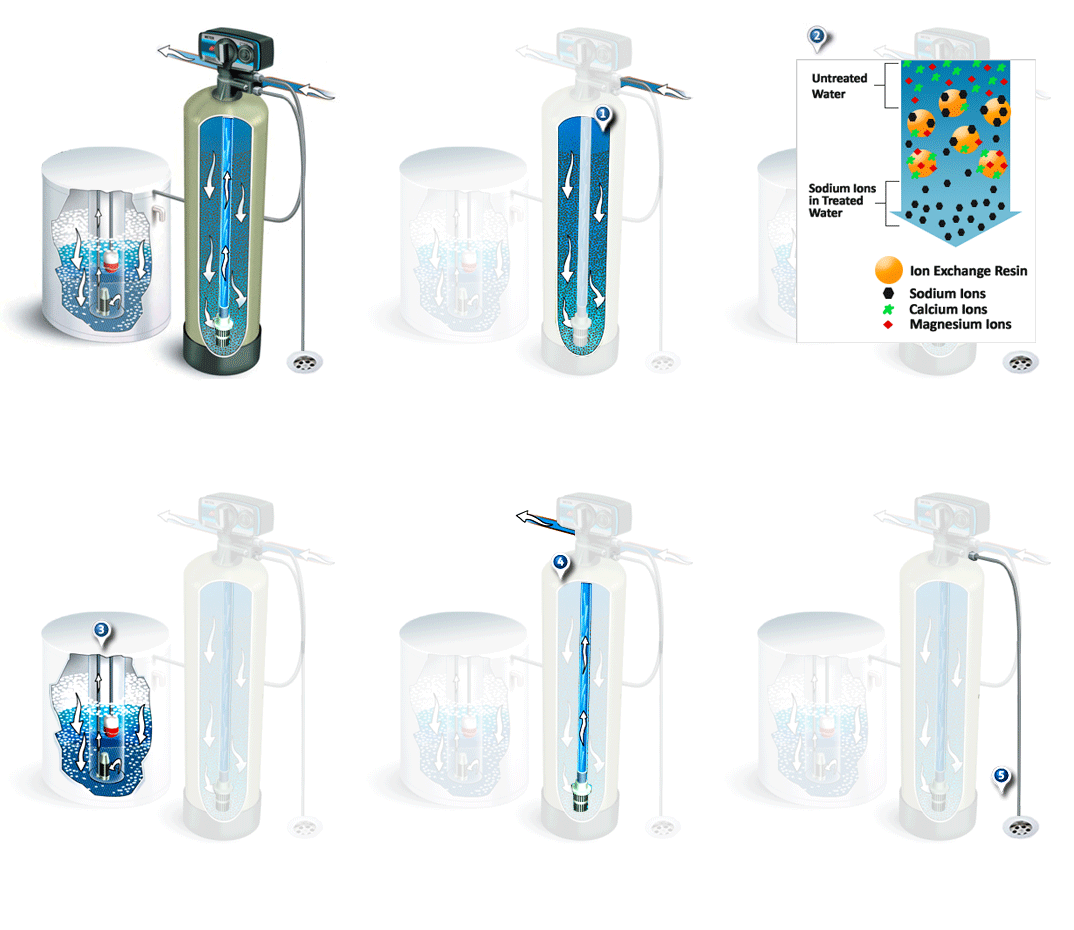 Can I clean my water softener with bleach?
Yes, bleach can help sanitize a softener during water softener maintenance, but it should be used carefully. Small amounts of diluted bleach may help clean water softener brine tank surfaces and disinfect the system.
However, excessive chlorine exposure can damage resin beads over time. Always follow manufacturer recommendations when performing water softener maintenance with bleach.
Why is my water softener turning the water brown?Brown water after softening usually points to iron or manganese buildup inside the system. In many cases, homeowners need to clean iron out of water softener resin or inspect incoming water quality.
Other possible causes include:
- Sediment buildup
- Tannins in well water
- Corroded plumbing
If discoloration continues after cleaning, use water testing and monitoring tools to identify the source.
Learn how to remove iron from well water. | Explore how sediment filters work.
How do I clean iron out of my water softener?
To clean iron out of water softener systems effectively:
- Add a water softener resin cleaner to the brine well
- Run a manual regeneration cycle
- Repeat if heavy iron buildup remains
- Flush the system thoroughly
In high-iron water conditions, homeowners may need to clean iron out of water softener resin every few months.
Using a water softener resin cleaner regularly helps prevent fouling and improves long-term water softener maintenance.

Yes, water softener low pressure problems can occur if the system becomes clogged or damaged.
Common causes of water softener low pressure include:
- Resin fouling
- Sediment buildup
- Control valve restrictions
To diagnose water softener low pressure, first place the system into bypass mode. If pressure improves immediately, the softener likely needs service or cleaning.
How often do I need to replace my water softener’s resin?Most homeowners need to replace water softener resin every 10–15 years, depending on water conditions and maintenance quality.
Factors that shorten resin life include:
- Chlorine exposure
- Heavy iron contamination
- Allowing the brine tank to run out of salt frequently
- Poor water softener maintenance
Signs you may need to replace water softener resin include:
- Hard water returning quickly
- Reduced softening efficiency
- Increased salt usage
Things to do before replacing resin:
· Check to make sure it is not a control valve or injector issue
· Try using a resin cleaner. Iron and manganese build up significantly decrease the capacity of the resin. Applying resin cleaner can bring back some of that capacity. Properly maintaining the system will extend the lifespan of the valve and resin.
Water Softener Maintenance Checklist
Monthly
- Check salt levels
- Inspect for a salt bridge in the brine tanks
- Watch for pressure drop or discolored water
Every 6–12 Months
- Clean water softener brine tank buildup
- Use a water softener resin cleaner if needed
- Inspect valves and settings
As Needed
- Use a resin cleaner to help keep iron build up from occurring. If iron content is high, consider a constant resin cleaner feed
- Replace water softener resin if performance declines
- Test water quality for changing hardness or iron levels
This proactive water softener maintenance routine helps prevent major repairs.
Signs Your Water Softener Needs Maintenance
Watch for these warning signs:
- Hard water returning
- Water softener not using salt
- Brown or discolored water
- Water softener low pressure
- Overflow or salt mushing in the tank
- Frequent salt bridge in water softener systems
Spotting these issues early makes how to maintain a water softener much easier and less expensive.
When To Repair Vs. Replace A Water Softener
Repair The System If:
- The issue is limited to salt buildup or cleaning
- You need to clean iron out of water softener resin
- Valves or settings need adjustment
Replace The System If:
- You repeatedly replace water softener resin
- Repairs become frequent or expensive
- The system is over 15 years old
- Performance continues declining despite maintenance
Keep Your Water Softener Running At Peak Performance
Consistent water softener maintenance is the key to preventing salt problems, resin damage, and pressure loss. By learning how to maintain a water softener, homeowners can keep soft water consistent and extend the life of their system.
Explore water filtration systems to improve water quality and support long-term system performance.
Explore 14 benefits of a water softener. | Discover Pros and Cons of Salt-Free Water Softeners.


Comments
Thank you for highlighting the importance of cleaning a water softener’s brine tank, which helps it operate at its effective, peak performance. My husband and I are planning to have our first child next year, but we want to make sure that our house is ready for it, including the quality of the water we use. I’ll make sure to look into water softener services that can surely cater to our growing family’s needs.
A+++ Thank you! Very informative! I learned a lot about system I didn’t even know. If I didn’t read this I would be replacing resin tank due to me not changing my coal filter on my main coming into my system. So again thank you John Woodard and Fresh Water Systems.
To bring your water to the quality you deserve, today we will be reviewing the best water softener salts available in the market. But before that, you need to understand the importance of using them.