

What’s Really in Your Drinking Water?
Drinking water can contain a variety of impurities even after treatment. Some contaminants enter water supplies naturally through soil and rock, while others come from industry activity, agriculture, aging plumbing, or environmental pollution. Understanding the main categories of water contamination can help homeowners choose the right testing and filtration solutions.
Main Types of Water ContaminationDrinking water can contain a wide range of contaminants, but most fall into four major categories. Some contaminants create immediate health concerns, while others mainly affect water quality, appearance, or usability.
Biological Contaminants (Microorganisms)
Biological contaminants include microorganisms such as bacteria, viruses, parasites, and protozoa that can enter water supplies through sewage leaks, stormwater runoff, untreated groundwater, or animal waste. Microbial contamination remains one of the leading causes of waterborne illness worldwide and can still occur in private wells or compromised water systems in the United States.
Common biological contaminants include:
- E. coli
- Giardia
- Cryptosporidium
- Salmonella
- Norovirus
Exposure to these microorganisms can cause gastrointestinal illness, nausea, diarrhea, stomach cramps, and other digestive problems. Homes using private wells or untreated water sources are often at greater risk for microbial contamination because these systems may not receive municipal disinfection treatment.
Chemical Contaminants
Chemical contaminants include both naturally occurring substances and man-made pollutants that dissolve into water supplies. These contaminants can enter drinking water through industrial discharge, agricultural chemicals, municipal treatment byproducts, or corrosion inside plumbing systems.
Common chemical contaminants include:
- Heavy metals in water such as lead, arsenic, and mercury
- Chlorine and chloramines
- PFAS (“forever chemicals”)
- Pesticides and herbicides
- Volatile organic compounds (VOCs)
- Nitrates and industrial solvents
Long-term exposure to certain chemical contaminants has been associated with neurological effects, developmental concerns, endocrine disruption, and increased health risks depending on the contaminant and exposure level. Heavy metals in water are especially concerning because they can accumulate in the body over time.
Physical Contaminants
Physical contaminants affect the clarity and appearance of drinking water. These contaminants are often visible and usually originate from sediment entering the water supply or corrosion within pipes and plumbing systems.
Common physical contaminants include:
- Dirt
- Sand
- Sediment
- Rust particles
- Silt
Although physical contaminants are not always dangerous, they can clog appliances, reduce filtration efficiency, damage plumbing fixtures, and negatively affect overall water quality.
Secondary Contaminants
Secondary contaminants primarily affect the taste, odor, color, or appearance of water, although some – such as copper or manganese at elevated levels – may also create health concerns.
Common secondary contaminants include:
- Iron
- Sulfur
- Manganese
- Copper
- Chloride
These contaminants may cause metallic tastes, rotten egg odors, orange staining, discoloration, or buildup on fixtures and appliances.
Sources of Water ContaminationWater contamination can occur at almost any stage of the water cycle, from groundwater movement to municipal treatment and household plumbing.
Common sources of water contaminants include:
- Industrial discharge from manufacturing facilities
- Agricultural runoff containing fertilizers and pesticides
- Natural mineral deposits in soil and rock
- Aging infrastructure and corroded plumbing
- Municipal treatment processes and disinfectants
- Stormwater runoff and environmental pollution
Even after water leaves a municipal treatment plant, contaminants can still enter the system through old pipes, plumbing corrosion, or environmental exposure.
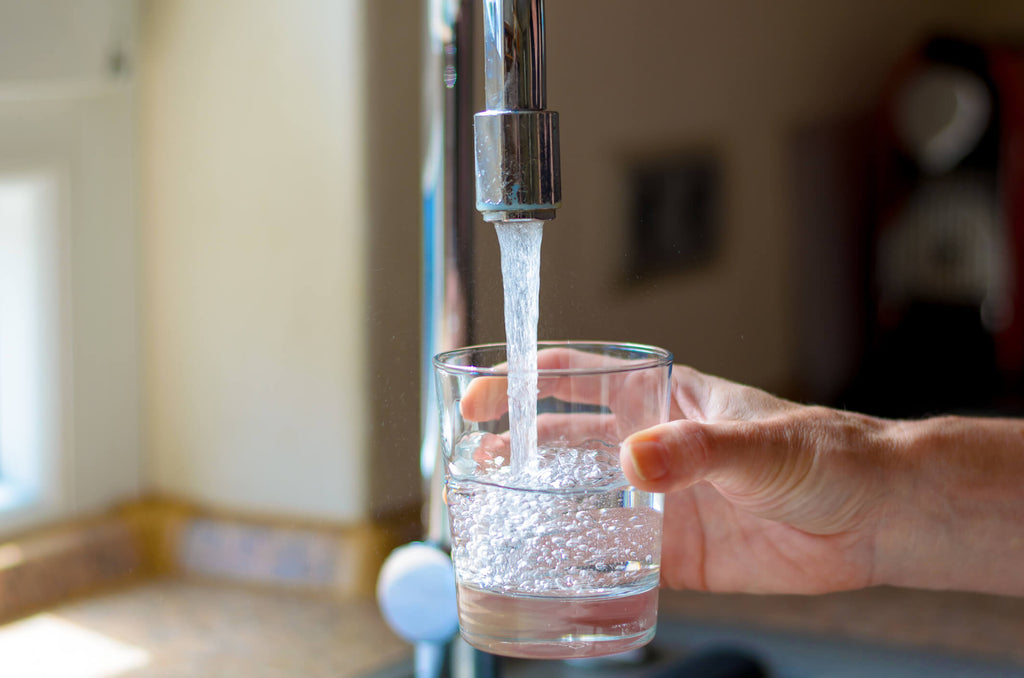
Contaminated drinking water can affect both short-term and long-term health depending on the type and concentration of contaminants present. While some water contaminants mainly affect taste or odor, others may contribute to more serious health concerns over time.
Potential health risks include:
- Gastrointestinal illness caused by bacteria and parasites
- Long-term toxicity from heavy metals in water
- Neurological and developmental effects in children
- Hormonal disruption linked to chemical contaminants
- Increased risk of waterborne diseases
Children, pregnant women, older adults, and individuals with weakened immune systems are often more vulnerable to contaminated water exposure.
Learn more: What is a UV Water Purifier and How Does It Work?
How to Test Your Water QualityBefore selecting a filtration system, it’s important to identify which contaminants are present in your water. Water quality testing helps homeowners choose the most effective treatment solution and avoid unnecessary filtration costs.
You can test your water quality by:
- Using home water testing kits
- Sending water samples to a certified laboratory
- Reviewing your local Consumer Confidence Report (CCR)
- Testing private well water annually
Regular water quality testing plays an important role in drinking water safety because it helps identify contaminants before they become larger health or plumbing concerns.
Learn more: Boil Water Advisory Procedures
How to Remove Different Types of Water ContaminantsDifferent filtration methods are designed to target different contaminants. The best solution depends on the type of contamination in your water, your household needs, and whether you need point-of-use or whole-house filtration.
Reverse Osmosis Systems
Reverse osmosis systems are highly effective for reducing many dissolved contaminants when properly designed and maintained. These systems use a semipermeable membrane to reduce impurities at the molecular level.
Reverse osmosis systems are highly effective for reducing:
- Heavy metals in water
- PFAS
- Dissolved solids
- Fluoride
- Arsenic
- Nitrates
- Certain chemical contaminants
Point-of-use reverse osmosis systems are commonly installed beneath kitchen sinks to provide purified water directly from a dedicated faucet.
Activated Carbon Filters
Carbon water filters use activated carbon media to adsorb contaminants and improve water taste and odor.
Carbon filters are commonly used to reduce:
- Chlorine
- VOCs
- Chemical contaminants
- Bad tastes and odors
- Certain PFAS compounds
Activated carbon filtration is widely used in refrigerator filters, countertop systems, under-sink filters, and whole-house water filtration systems.
UV Water Purification Systems
UV systems disinfect water by inactivating microorganisms using germicidal ultraviolet wavelength.
UV purification systems are designed to target:
- Bacteria
- Viruses
- Parasites
- Microbial contamination
Unlike reverse osmosis systems or carbon filters, UV systems do not remove dissolved chemicals or sediment. Instead, they focus specifically on improving protection against waterborne diseases.
Water Softeners (Ion Exchange)
Water softeners use ion exchange technology to remove hardness minerals that contribute to scale buildup and plumbing damage.
Water softeners are commonly used to reduce:
- Calcium
- Magnesium
- Scale buildup
- Limited amounts of dissolved ferrous iron and manganese
Although water softeners are not designed for broad contaminant removal, they improve appliance performance, soap efficiency, and overall water usability throughout the home.
Ultrafiltration Systems
Ultrafiltration systems use hollow fiber membranes to physically block contaminants while allowing beneficial minerals to remain in the water. Some ultrafiltration systems may reduce certain viruses depending on membrane pore size and certification.
Ultrafiltration systems may help reduce:
- Bacteria
- Sediment
- Microbial contamination
- Some viruses
These systems are often used when homeowners want filtration that improves drinking water safety without significantly altering mineral content.
Distillers
Water distillers heat water into steam and condense it back into liquid form, leaving many contaminants behind.
Distillation systems are effective for reducing:
- Heavy metals in water
- Minerals
- Many chemical contaminants
- Microorganisms
Distillers can produce highly purified water, although they generally operate more slowly than other filtration methods. Some volatile chemicals may require additional carbon filtration.
Learn more: How to Remove Arsenic from Water | How to Remove Copper from Water
What Are PFAS (“Forever Chemicals”)?
PFAS are synthetic chemicals commonly used in products such as nonstick cookware, stain-resistant fabrics, firefighting foam, and food packaging. Because these chemicals do not break down easily in the environment, they are often called “forever chemicals.” PFAS contamination has become a major drinking water safety concern due to potential links to hormone disruption, developmental issues, and certain cancers. Reverse osmosis systems and activated carbon filters are among the most effective filtration methods for reducing PFAS in drinking water.
Learn more: Reverse Osmosis vs. Ultrafiltration | How to Remove Fluoride from Water
Can You Use Contaminated Water Safely?
Safety depends on the contaminant type. Some contaminants mainly create risks when ingested, while others may affect bathing, cooking, or household use.
Important safety considerations include:
- Avoid drinking water with confirmed bacterial contamination
- Limit exposure to water containing high levels of heavy metals or PFAS
- Use caution when bathing or cooking with contaminated well water
Testing your water is the most reliable way to determine whether it is safe for drinking, cooking, showering, or gardening.
Learn more: How To Remove Iron from Well Water | 5 Benefits to Removing Iron from Water
Choosing the right filtration solution starts with identifying the contaminants in your water and matching them to the appropriate treatment method.
When selecting a filtration system:
- Identify contaminants through water quality testing
- Choose between point-of-use and point-of-entry systems
- Consider maintenance and filter replacement requirements
- Match filtration performance to your household budget
- Select certified water filtration systems designed for your specific contaminants
Some homes benefit from combining multiple filtration methods for more comprehensive protection and improved water quality.
Frequently Asked Questions
What are the main types of water contamination?
The main types of water contamination include biological contaminants, chemical contaminants, physical contaminants, and secondary contaminants that affect taste, odor, or appearance.
What contaminants are commonly found in drinking water?
Common water contaminants include chlorine, bacteria, sediment, PFAS, pesticides, VOCs, and heavy metals in water such as lead and arsenic.
How can I test my water quality at home?
You can test water quality using home testing kits, certified laboratory analysis, or your local water quality report. Water quality testing helps identify contaminants and determine the best filtration solution.
What is the best filter for removing heavy metals?
Reverse osmosis systems are among the most effective filtration methods for reducing heavy metals in water, including lead, arsenic, and mercury.
Do water filters remove bacteria and viruses?
Some filtration systems do. UV water purification systems and ultrafiltration systems are specifically designed to target microbial contamination such as bacteria and viruses.
Improve Your Water Quality with the Right Filtration
Understanding the types of water contamination in your home is the first step toward safer drinking water. By testing your water quality and choosing the right filtration system, you can reduce harmful contaminants, improve taste and odor, and protect long-term drinking water safety. Explore Fresh Water Systems’ selection of water filtration systems to find the right solution for your home.
If you have any additional questions about contaminants or water filtration systems, please don’t hesitate to contact our experts or visit our blog.
You might also like:


Comments
This is a really useful breakdown of contaminant categories. One thing worth expanding on is how much the carbon source matters for organic contaminant removal.
For chlorine, chloramine, and VOCs (benzene, trichloroethylene, MTBE), coconut shell activated carbon with iodine number >1000 mg/g provides significantly higher removal efficiency than generic coal-based carbon. The difference is micropore density: coconut shell carbon packs 0.8-1.2 cm³/g of micropore volume vs 0.4-0.7 for coal-based, which directly translates to more active adsorption sites per gram.
A few technical points for readers choosing carbon filters:
1. Chloramine requires catalytic carbon or much longer contact time (EBCT 10+ minutes vs 5 minutes for free chlorine). Many municipalities have quietly switched from chlorine to chloramine, and standard carbon filters may not provide adequate removal.
2. For lead and cyst removal, carbon block filters (0.5 micron) combine mechanical filtration with adsorption — achieving >99% removal through electrokinetic capture in the compressed carbon matrix.
3. PFAS is the emerging challenge: EPA’s 2024 MCLs (4 ppt for PFOA/PFOS) require high-quality GAC with EBCT >10 minutes. Coconut shell carbon shows better short-chain PFAS removal due to uniform micropore distribution.
4. Low ash content (<3% for coconut shell vs 8-15% for coal-based) means less mineral leaching into treated water — important for anyone monitoring TDS.
The key takeaway: match your carbon type to your specific contaminant profile. A $30 lab test (or checking your utility’s annual water quality report) can guide you to the right filtration technology.