

Rust stains on concrete often appear when iron-containing materials come into contact with moisture. Because concrete is naturally porous, it can absorb iron particles and rust-colored residue, making stains more difficult to remove over time.
Common sources of rust stains on concrete include:
- Metal patio furniture
- Garden tools
- Grills and outdoor equipment
- Fertilizers containing iron
- Irrigation systems using iron-rich water
- Well water with elevated iron levels
Older stains are typically harder to remove because rust can penetrate deep into the concrete surface. Surface stains caused by metal contact may clean up relatively easily, while recurring stains often indicate an ongoing source of iron exposure, such as iron in sprinkler water.
Learn more: How to remove iron from well water
Several cleaning methods can help remove rust stains on concrete, but effectiveness depends on stain severity and the condition of the surface.
|
Cleaner Type |
Best For |
Notes |
|
Dish soap and water |
Fresh, light stains |
Limited effectiveness on established rust |
|
Vinegar or lemon juice |
Mild surface staining |
May help with very light or fresh stains, but repeated use or prolonged exposure can damage some concrete surfaces |
|
Baking soda paste |
Light rust spots |
Gentle option for testing small areas |
|
Commercial concrete rust stain remover |
Moderate to severe staining |
Usually the most effective option for established rust stains |
|
Oxalic acid-based cleaners |
Stubborn rust stains |
Follow manufacturer instructions carefully |
Before using any concrete rust stain remover:
- Read label directions carefully
- Wear gloves and eye protection
- Test a small, inconspicuous area first
- Confirm compatibility with sealed or decorative concrete
DIY methods can sometimes improve minor staining, but heavily embedded rust stains on concrete often require a purpose-made cleaner. Avoid Using Muriatic Acid. Although muriatic acid can remove rust stains, it is generally not recommended for routine cleaning because it can etch concrete, weaken the surface over time, and create safety hazards if used improperly.
If you're wondering how to clean rust off concrete effectively, follow these general steps.
Step 1: Gather Supplies
You will typically need:
- Rust stain remover
- Trigger or pump sprayer (if required)
- Garden hose
- Protective gloves
- Eye protection
Step 2: Clean the Surface
Remove dirt, leaves, and debris so the cleaner can contact the stain directly.
Step 3: Test a Small Area
Before treating the entire stain, apply the cleaner to a hidden section of concrete and check for any unwanted surface changes.
Step 4: Apply the Cleaner
Cover the rust stain completely according to the manufacturer's instructions.
Step 5: Allow Proper Dwell Time
Do not let the cleaner dry on the surface unless specifically instructed by the manufacturer.
Step 6: Rinse Thoroughly
Rinse the area completely with clean water to remove all remaining product residue.
Step 7: Repeat if Necessary
Older rust stains on concrete may require more than one treatment.
Safety Reminder: Always wear gloves and eye protection when using cleaning chemicals and follow all label directions.
Common mistakes that can make rust stains worseMistake: Using the Wrong Cleaner
Fix: Match the cleaner to the severity of the stain. Mild stains may respond to household methods, while deeper stains often require a dedicated concrete rust stain remover.
Mistake: Skipping the Test Spot
Fix: Always test first, especially on decorative or sealed concrete.
Mistake: Not Rinsing Thoroughly
Fix: Remove all cleaner residue after treatment to help avoid discoloration or surface damage.
Mistake: Repeating the Same Failed Method
Fix: If multiple cleaning attempts fail, identify the source of the stain instead of repeatedly treating the symptom.
Mistake: Ignoring the Root Cause
Fix: Recurring rust stains often point to an ongoing iron source rather than a cleaning problem.
Cleaning the stain is only part of the solution. Preventing future rust stains on concrete often requires addressing the source.
Rust Stain Prevention Checklist
✔ Apply a quality concrete sealer
✔ Remove metal objects that sit directly on wet concrete
✔ Keep irrigation systems from repeatedly spraying concrete surfaces
✔ Address iron-rich water problems
✔ Inspect outdoor furniture and fixtures for corrosion
Concrete sealers help reduce absorption and make future cleanup easier because rust-causing materials are less likely to penetrate the surface.
When water quality may be part of the problemRust Stains Keep Coming Back?
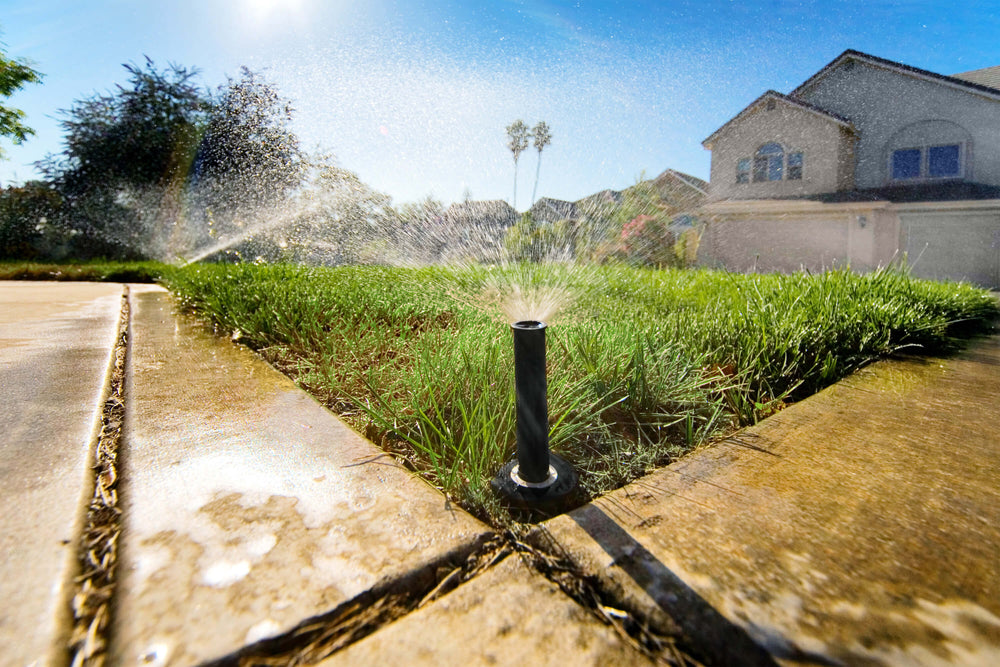
Iron-rich irrigation water is a common cause of recurring rust stains on concrete, driveways, patios, and siding. When sprinklers repeatedly spray water containing dissolved iron, oxidation can leave behind orange or brown staining that returns even after cleaning.
If rust stains continue to reappear after cleaning and resealing, it may be worth testing your water for iron content. Iron concentrations as low as 0.3 mg/L (ppm) can begin causing staining problems, particularly when irrigation systems repeatedly spray concrete surfaces.
Fresh Water Systems offers water testing and monitoring tools:
https://www.freshwatersystems.com/collections/water-testing-monitoring
Depending on the results, homeowners may benefit from:
- Water filtration systems
- Carbon filters
- Filter housings and components
- Replacement filters and media
- Iron filtration Systems
- Oxidizing filters
- Air injection systems
- Water softeners for dissolved iron (ferrous)
Addressing the water source often provides a more permanent solution than repeated cleaning alone. Identify the source before cleaning. The location and pattern of staining can often reveal the source.
Location – Source
Circular stans – patio furniture
Long Streaks – Irrigation water
Near well equipment – Iron-rich water
Under planters – fertilizers
Around anchors/bolts – corroding hardwater
Frequently Asked QuestionsWhat causes rust stains on concrete?
Rust stains on concrete are typically caused by metal objects, fertilizers, irrigation systems, or iron-rich water coming into contact with a porous concrete surface.
What is the best concrete rust stain remover?
Dedicated rust removers designed specifically for concrete generally provide the best results for moderate to severe staining.
Does vinegar remove rust stains from concrete?
Vinegar may help with small or fresh stains, but it is often less effective than commercial rust stain removers for deep-set rust.
Can sprinkler systems cause rust stains?
Yes. Iron in sprinkler water can leave orange or brown stains on concrete, siding, fences, and other outdoor surfaces.
Should I test my water for iron?
If rust stains repeatedly return after cleaning, testing for iron levels may help identify the root cause.
Next steps for cleaner concrete and fewer repeat stainsKnowing how to remove rust stain from concrete starts with understanding what caused the stain in the first place. While the right cleaner can restore the appearance of stained concrete, long-term success depends on preventing future iron exposure and addressing recurring water quality issues.
If rust stains continue to return, consider investigating irrigation water, well water, or other iron sources. Shop Fresh Water Systems' water testing and monitoring tools to identify potential iron-related problems before they create additional staining.
If you have any additional questions, please do not hesitate to contact us.


