

Are Water Pitcher Filters Actually Effective?
Yes, water pitcher filters do work—but only for certain types of filtration. Most water pitcher filters are designed to improve taste and reduce common contaminants in tap water like chlorine and odor-causing compounds. However, they are not designed for full purification or advanced contaminant removal. If you are wondering “do water pitcher filters work,” the honest answer is that they can be effective for basic filtration needs, but they are limited compared to more advanced water filtration systems like under-sink filters or reverse osmosis systems.
Do Water Pitcher Filters Work? (Honest Answer)Water pitcher filters can improve drinking water quality for many households, especially those using treated municipal water. They are affordable, easy to use, and effective at reducing certain contaminants in tap water. However, pitcher filter effectiveness depends heavily on the specific filter design, certification standards, and the contaminants present in your water.
The most important thing to understand is the key limitation is that pitcher filters provide basic filtration, not full water purification.
Key takeaways:
- Water pitcher filters are effective for improving taste and odor
- Most use activated carbon filters to reduce chlorine and some VOCs
- Premium filters may reduce lead or PFAS, depending on certification
- They are not effective against bacteria, viruses, hardness minerals, or high TDS levels
If your water contains high contaminant levels, biological contamination, or well-water issues, a pitcher filter alone is usually not enough.
What is a Water Pitcher Filter and How Does It Work?A water pitcher filter is a portable filtration device that removes certain contaminants as water passes through a replaceable filter cartridge. Most water pitcher filters use a combination of activated carbon filtration, mechanical filtration, and ion exchange media to improve drinking water quality.
Activated carbon filters are commonly used to reduce chlorine, odors, and some organic compounds that affect water taste. Mechanical filtration helps trap sediment and particles, while ion exchange media may reduce certain dissolved metals or minerals.
Although water pitcher filters can improve the taste and appearance of water, they generally provide a lower level of filtration compared to under-sink systems or reverse osmosis systems.
Why Water Pitcher Filters Are So PopularWater pitcher filters remain popular because they are inexpensive, convenient, and easy to use. Unlike many water filtration systems, pitcher filters require no plumbing modifications or professional installation.
Common reasons homeowners choose water pitcher filters include:
- Low upfront cost
- Portable and simple to maintain
- Improved taste and odor
- No installation required
For many households, pitcher filters provide an easy entry point into basic water filtration.
What Do Water Pitcher Filters Actually Remove?One of the biggest misconceptions about water pitcher filters is that all models remove the same contaminants. In reality, filtration performance varies widely depending on the filter design and NSF certifications.
Commonly Removed
Most standard water pitcher filters are effective at reducing:
- Chlorine
- Taste and odor compounds
- Sediment and particles
- Some volatile organic compounds (VOCs)
Activated carbon filters are primarily responsible for improving taste and reducing chlorine-related odors in tap water.
Sometimes Removed (Premium Filters)
Some higher-end water pitcher filters may also reduce:
- Lead
- Certain PFAS compounds
- Mercury
- Copper
These reductions depend on specific NSF certifications and filtration media. Consumers should always review manufacturer testing data and certifications before assuming a filter removes a particular contaminant.
Not Effectively Removed
Most water pitcher filters are not designed to effectively remove:
- Bacteria and viruses
- Hardness minerals
- Total dissolved solids (TDS)
- Nitrates
- High levels of industrial contamination
If your water contains biological contamination or significant chemical pollutants, advanced filtration methods such as reverse osmosis systems or UV purification may be more appropriate.
When a Pitcher Filter is Enough (and When It's Not)Water pitcher filters can be useful in some situations, but they are not the right solution for every household.
Use a Pitcher Filter If:
- You have treated city water
- You want better taste and odor reduction
- You need a low-cost filtration option
- You want a portable filtration solution
Do NOT Rely on a Pitcher Filter If:
- You use private well water
- You suspect bacterial contamination
- You need full purification
- Your water contains heavy metals or high contaminant levels
- You need whole-home filtration
Understanding the limitations of water pitcher filters is important when evaluating pitcher filter effectiveness and protecting long-term drinking water quality.
Learn more: 5 of the best under-sink water filters
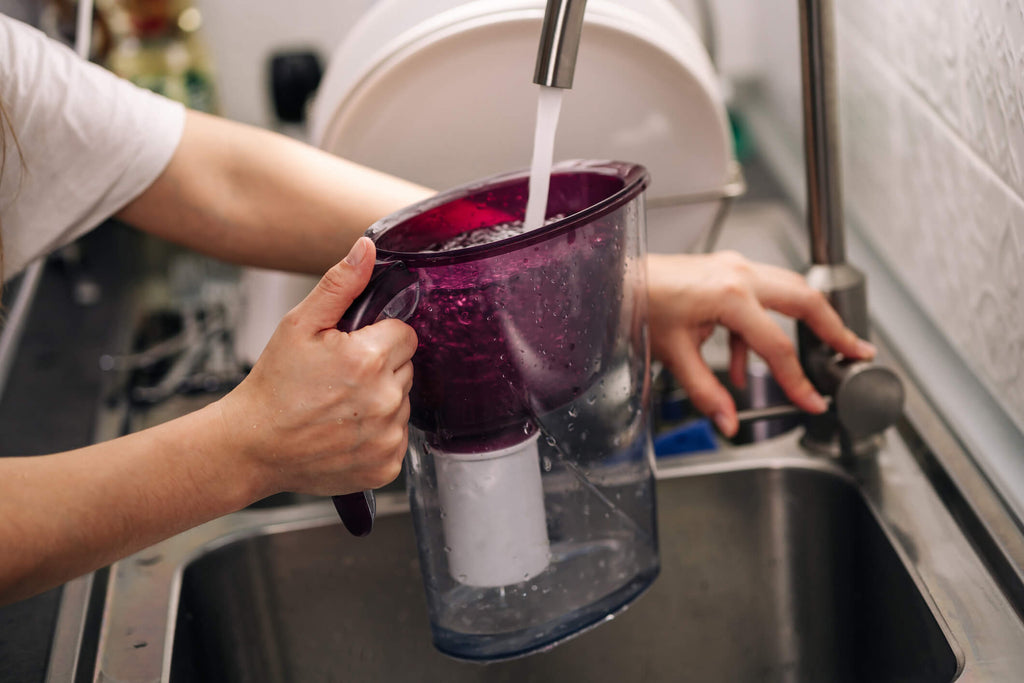
Some water pitcher filters advertise broad contaminant reduction claims that may confuse consumers. While many filters can improve taste and reduce chlorine, not all are certified to remove contaminants like lead, PFAS, or harmful microorganisms. Consumers should always look for NSF certifications and third-party testing data when comparing filtration methods. Verifying certifications is one of the best ways to understand what a water pitcher filter can realistically remove.
· NSF 42 → chlorine/taste/odor
· NSF 53 → lead and health contaminants
· NSF 401 → emerging contaminants
· NSF P473 → PFAS claims (where applicable)
Learn more: How can I test my water at home? | Lab water tests vs at-home test kits
Pros of Water Pitcher FiltersWater pitcher filters offer several practical benefits for households looking for basic filtration.
Advantages include:
- Affordable upfront cost
- Easy to use and maintain
- Improved water taste and odor
- Portable and convenient
- No installation required
For renters, apartments, or temporary filtration needs, pitcher filters can be a simple and accessible option.
Cons of Water Pitcher FiltersAlthough water pitcher filters can improve water quality, they also come with several limitations.
Disadvantages include:
- Limited filtration capabilities
- Slow filtration speed
- Frequent filter replacement requirements
- Not suitable for whole-home use
- Limited protection against serious contaminants
Households with significant contaminants in tap water often require more advanced water filtration systems.
Better Alternatives to Water Pitcher FiltersWhile water pitcher filters are useful for basic filtration, many homeowners eventually upgrade to systems that provide more comprehensive contaminant reduction.
Refrigerator Water Filters
Refrigerator filters provide convenience and filtered water directly from the refrigerator dispenser. These systems often offer similar filtration performance to water pitcher filters but with easier day-to-day access.
Under-Sink Water Filters
Under-sink water filters offer more advanced filtration than most pitcher systems while remaining relatively affordable and compact.
Benefits of under-sink filtration include:
- Improved contaminant reduction
- Higher filtration capacity
- Dedicated filtered water faucet
- Better long-term convenience
These systems are often a strong middle-ground option for homeowners who want better performance without installing whole-home systems.
Reverse Osmosis Systems
Reverse osmosis systems are among the most effective water filtration systems available for residential use.
Reverse osmosis systems can reduce:
- Heavy metals
- PFAS
- Fluoride
- Dissolved solids
- Nitrates
- Many chemical contaminants
Compared to standard water pitcher filters, reverse osmosis systems provide significantly broader contamination reduction.
Learn more: What is reverse osmosis?
Ultrafiltration Systems
Ultrafiltration systems use membrane technology to block microorganisms and suspended particles while allowing dissolved minerals to remain in the water.
These systems are often used for:
- Biological filtration
- Bacteria reduction
- Sediment removal
- Improved drinking water safety
Ultrafiltration systems can provide stronger microbial protection than standard pitcher filters while remaining more affordable than some reverse osmosis systems.
Learn more: What is ultrafiltration?
Activated Carbon Filters
Activated carbon filters remain one of the most widely used filtration methods for improving taste and reducing chlorine.
Activated carbon filtration is effective for:
- Taste and odor improvement
- Chlorine reduction
- VOC reduction
- Basic chemical contaminant reduction
Many water filtration systems combine activated carbon with additional filtration technologies for broader contaminant protection.
Learn more: Activated carbon filters 101
Water Distillers
Water distillers heat water into steam and condense it back into purified liquid form.
Distillation systems can reduce:
- Heavy metals
- Minerals
- Many chemical contaminants
- Microorganisms
Although distillers can produce extremely pure water, they operate slowly and are typically used for specialized applications.
How to Choose the Right Water Filter
Choosing the right filtration system starts with understanding your water quality and identifying the contaminants you want to reduce.
When selecting a filtration system:
- Use water testing kits to evaluate your water
- Identify contaminants in tap water before purchasing a filter
- Match the filtration type to your specific concerns
- Consider filter replacement schedules and maintenance costs
- Compare long-term value, not just upfront cost
Water quality testing is especially important for households using private wells or dealing with older plumbing systems.
Frequently Asked Questions
How effective are water pitcher filters?
Water pitcher filters are effective for improving taste, reducing chlorine, and filtering some common contaminants in tap water. However, their effectiveness depends on the filter design, certifications, and the contaminants present in your water.
What contaminants do pitcher filters remove?
Most water pitcher filters remove chlorine, taste and odor compounds, sediment, and some VOCs. Premium filters may also reduce lead or certain PFAS compounds depending on certification standards.
Are water pitcher filters safe to use daily?
Yes, water pitcher filters are generally safe for daily use when maintained properly and used according to manufacturer guidelines. Replacing filters on schedule is important for maintaining filtration performance.
How often should you replace a pitcher filter?
Most manufacturers recommend replacing pitcher filters every 40 to 120 gallons depending on usage and filter type. Failing to replace filters regularly may reduce filtration effectiveness.
What is better than a water pitcher filter?
More advanced water filtration systems such as under-sink filters, reverse osmosis systems, and ultrafiltration systems typically provide stronger contaminant reduction and more comprehensive purification than standard pitcher filters.
Choosing the Right Water Filtration Solution
Water pitcher filters can be a practical starting point for improving taste and reducing basic contaminants in tap water, but they are not designed for complete purification. If your household requires broader contaminant removal or advanced protection, upgrading to more comprehensive water filtration systems may be the better long-term solution. Testing your water and understanding your filtration needs can help you choose the right system for safer, cleaner drinking water.
Learn more: What is distilled water and is it safe to drink?
If you have any additional questions, please do not hesitate to contact us.


