
Carbon Water Filters
 Regular price From $5.89 Unit priceUnit price /Unavailable
Part #: CTO1-2510
Save up to 5% with bulk pricing
Everpure Residential
Regular price From $199.40 Unit priceUnit price /UnavailablePart #: EV9270-72
Save up to 9% with bulk pricing Sold Out
 Regular price From $36.85 Unit priceUnit price /Unavailable
Part #: CTO1-4520
Save up to 5% with bulk pricing Sold Out
 Regular price From $17.89 Unit priceUnit price /Unavailable
Part #: NP-KW1
Save up to 22% with bulk pricing
 Regular price From $22.68 Unit priceUnit price /Unavailable
Part #: NP-LT700P
Save up to 5% with bulk pricing Regular price From $54.47 Unit priceUnit price /Unavailable
Part #: 4005738
Save up to 11% with bulk pricing
-
15% OFF
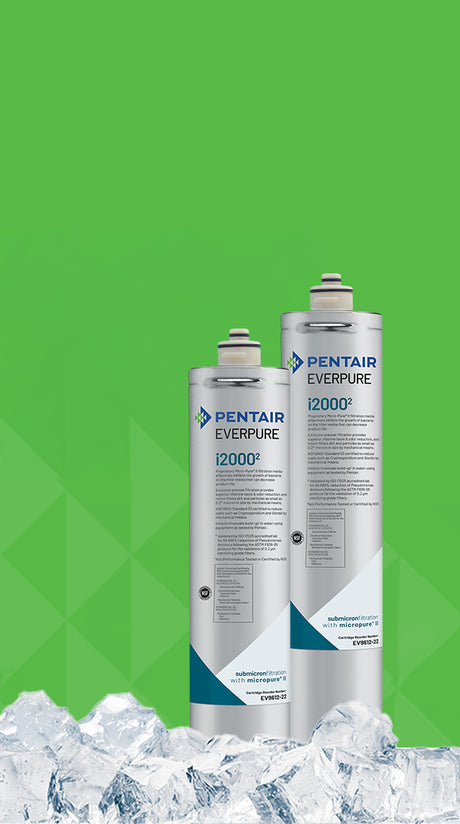
Everpure i2000 Insurice Filter Cartridge
Discount Applied in Cart!
 Regular price From $33.90 Unit priceUnit price /Unavailable
Part #: NP-A101
Save up to 9% with bulk pricing Sold OutRegular price From $29.00 Unit priceUnit price /UnavailableSold out
Part #: ADQ73613401
Save up to 5% with bulk pricing Regular price From $34.86 Unit priceUnit price /Unavailable
Part #: NP-CB6
Save up to 13% with bulk pricing Sold OutRegular price From $52.33 Unit priceUnit price /UnavailableSold out
Part #: RC-GXRTQ
 Regular price $48.68 Unit priceUnit price /Unavailable
Part #: 3MROP416
 Regular price From $24.49 Unit priceUnit price /Unavailable
Part #: CTO1-4510
Save up to 7% with bulk pricing Regular price $11.33 Unit priceUnit price /Unavailable
Part #: K2540-BB
 Regular price $17.94 Unit priceUnit price /Unavailable
Part #: 41407002
 Regular price From $20.10 Unit priceUnit price /Unavailable
Part #: NP-RFG10BB
Save up to 5% with bulk pricing Regular price From $135.65 Unit priceUnit price /Unavailable
Part #: 455906-43
Save up to 6% with bulk pricing Regular price From $41.40 Unit priceUnit price /Unavailable
Part #: NP-P12PLUS
Save up to 10% with bulk pricing Regular price From $55.07 Unit priceUnit price /Unavailable
Part #: 3MROP412
Save up to 2% with bulk pricing Regular price $12.99 Unit priceUnit price /Unavailable
Part #: K2340-KK
 Regular price From $17.41 Unit priceUnit price /Unavailable
Part #: CTO1-2520
Save up to 5% with bulk pricing-

MOST ORDERS OVER $89
FREE SHIPPING
 Sold OutRegular price From $28.99 Unit priceUnit price /UnavailableSold out
Part #: 5231JA2002A
Save up to 5% with bulk pricing Regular price From $164.41 Unit priceUnit price /UnavailableLow stock
Part #: 55851-02
Save up to 13% with bulk pricing
Everpure Commercial
Regular price From $37.37 Unit priceUnit price /UnavailablePart #: EV9830-01
Save up to 2% with bulk pricing








Want to learn more?
How Carbon Filtration Works
Carbon filtration works primarily through a process called adsorption, not absorption like a sponge. Contaminants stick to the vast surface area and sometimes through chemical reaction to remove chlorine, chloramine, volatile organic compounds (VOCs) and many other chemicals. Unlike a sponge that absorbs and then allows the liquid to come back out, adsorption holds them to the surface area.
For the best results, start by checking what’s in your tap water with water testing and monitoring products so you can match the right filter to your water quality.
Types of Carbon Water Filters
Carbon water filters come in several formats that balance flow rate, capacity, and contaminant removal. The most common types are:
-
Granular activated carbon (GAC) filters
Filled with loose carbon granules.
- Offer high flow rates and are common in whole house carbon filtration systems and inline filters.
- Best for basic chlorine and taste/odor reduction.
-
Carbon block filters
Made by compressing activated carbon into a solid block.
- Water is forced through tiny passages in the block, which increases contact time and improves fine contaminant reduction.
- Typical for under-sink, refrigerator, and point-of-use filters.
-
Radial flow GAC filters
Combine a carbon block-style outer shell with a GAC core.
- Designed to provide both high flow and high capacity, making them an ideal option for whole-house and commercial systems.
Benefits of Using Carbon Water Filters
Carbon water filters are popular for home and light commercial use because they:
- Improve taste and smell by reducing chlorine, chloramine, and other chemicals.
- Support better-tasting coffee, tea, ice, and cooking water.
- Help reduce exposure to certain VOCs and chemical byproducts.
- Provide a more affordable entry point to water filtration than many multi-stage systems.
- Cut down on single-use plastic bottles by making tap water taste better.
For health-conscious homeowners, carbon filtration is often the first step toward safer, cleaner drinking water.
Activated Carbon vs. Catalytic Carbon
Both activated carbon and catalytic carbon start with the same base material, but catalytic carbon receives an extra treatment step that changes its surface chemistry. This lets it act as a catalyst for certain reactions in addition to simple adsorption.
-
Activated carbon filtration
Effective for chlorine, many VOCs, and bad tastes or odors.
- Common in basic carbon block water filters and GAC filters.
-
Catalytic carbon filters
Specially treated to handle chloramine, a chlorine-ammonia disinfectant used by many cities.
- Often paired with other media to target problem contaminants more aggressively.
If your municipality uses chloramine, look for catalytic carbon products or dedicated chloramine removal filters to get the best performance.
What Carbon Filters Remove
Most carbon water filters are designed for chlorine and chloramine removal, taste and odor improvement, and VOC and chemical reduction. Depending on the filter’s design and certification, they may also reduce:
- Disinfectants: chlorine, chloramine (catalytic carbon only).
- Organic chemicals: VOCs, solvents, and many industrial byproducts.
- Agricultural contaminants: certain pesticides and herbicides.
- Byproducts: trihalomethanes (THMs) and related compounds.
- Some heavy metals or lead (only when the filter is certified for those contaminants).
Carbon doesn’t remove dissolved minerals like calcium and magnesium, so hardness and scale usually remain unchanged. For dissolved solids, heavy metals, or more complex water problems, pair carbon with reverse osmosis systems or other specialized treatment.
Where to Install a Carbon Filter
Carbon filters can be installed at different points in your plumbing, depending on what you want to treat:
-
Point-of-entry filtration (POE)
Installed where water enters the building.
- Often part of whole-house filtration systems that supply filtered water to every tap, shower, and appliance.
- Ideal if you want to reduce chlorine or improve taste and odor throughout the home.
-
Point-of-use carbon filters (POU)
Installed at a single fixture, such as under-sink water filters, refrigerator filters, or countertop units.
- Focused on drinking and cooking water at one location.
If you also use a water softener, place the carbon filter before the softener so it can protect the softening media from chlorine damage.
Choosing the Right Carbon Water Filter
The best carbon water filter ultimately comes down to your water quality, budget, and goals. Start by deciding what you want most:
- Better taste and smell: a basic GAC or carbon block filter at the tap or fridge is often enough.
- Chemical and chloramine reduction: look for catalytic carbon filters with verified performance data and, ideally, NSF/ANSI certifications.
- Whole-home coverage: consider a large-capacity GAC or radial flow system designed for point-of-entry use.
Be sure to check the filter’s micron rating, flow rate, capacity (how many gallons it treats), and replacement schedule so it fits your household’s water use.
Do You Need a Carbon Water Filter?
Yes, a carbon water filter is a good fit if you want to:
- Improve water that smells or tastes like chlorine.
- Reduce exposure to VOCs, chloramine, pesticides, or herbicides.
- Add a first line of defense ahead of other treatment equipment.
- Protect sensitive uses such as aquariums and indoor plants from certain chemicals.
No, you may need additional or alternative treatment if you:
- Use a private well and are concerned about bacteria or viruses — consider UV water purification or more comprehensive whole-house filtration systems.
- Need water with significantly reduced dissolved solids or specific heavy metals — look at reverse osmosis filters or specialized filters certified for those contaminants.