
Home Water Testing
 Regular price From $3.90 Unit priceUnit price /Unavailable
Part #: SANISYSTEM-WS
Save up to 16% with bulk pricing Regular price $3.99 Unit priceUnit price /Unavailable
Part #: ROSANIKIT-KIT

Pro Products
Regular price From $3.66 Unit priceUnit price /UnavailablePart #: SANISYSTEM-RO
Save up to 16% with bulk pricing
Industrial Test Systems
Regular price $28.86 Unit priceUnit price /UnavailablePart #: 481396-5

Better Water Industries
Regular price $33.82 Unit priceUnit price /UnavailableBackorderedPart #: SENTRY-WSP
 Regular price From $19.29 Unit priceUnit price /Unavailable
Part #: SANI-101
![Hach 2755250 5-in-1 Water Quality Test Strips [Pack of 50] - Case of 12 [600 Strips Total]](//www.freshwatersystems.com/cdn/shop/files/luepfevpmbzybeuvmmgy.jpg?v=1780996329&width=460) Sold OutRegular price From $24.76 Unit priceUnit price /UnavailableSold out
Sold OutRegular price From $24.76 Unit priceUnit price /UnavailableSold outPart #: 27552-50
Save up to 99% with bulk pricing
Industrial Test Systems
Regular price $32.14 Unit priceUnit price /UnavailablePart #: 481297-5
 Regular price $39.92 Unit priceUnit price /UnavailableBackordered
Part #: PT-777

Industrial Test Systems
Regular price $20.68 Unit priceUnit price /UnavailableLow stockPart #: 481199
-
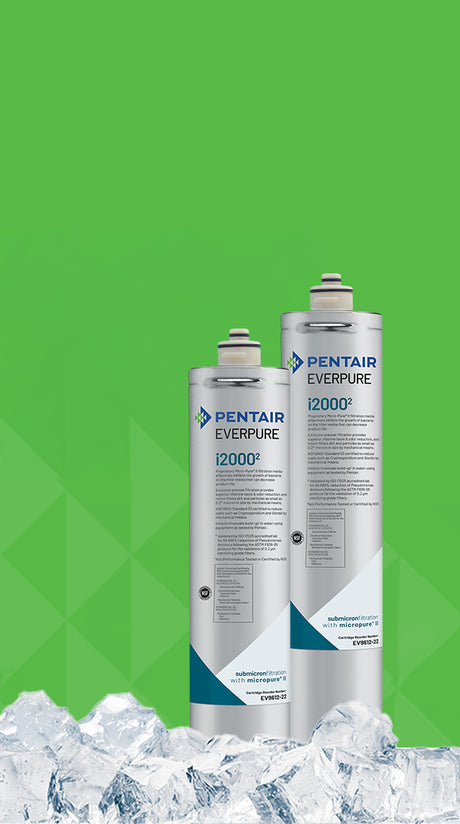
15% OFF
Everpure i2000 Insurice Filter Cartridge
Discount Applied in Cart!

Industrial Test Systems
Regular price From $11.69 Unit priceUnit price /UnavailableLow stockPart #: 487197

BECTON DICKINSON
Regular price From $0.38 Unit priceUnit price /UnavailablePart #: 302995
Save up to 5% with bulk pricing![Total Hardness Test Strips [50]](//www.freshwatersystems.com/cdn/shop/files/kpbcfqjvztkuxkzmg6lv.jpg?v=1780997001&width=460)
Industrial Test Systems
Regular price $21.19 Unit priceUnit price /UnavailableLow stockPart #: PT-754-50

Industrial Test Systems
Regular price $6.50 Unit priceUnit price /UnavailablePart #: 481197

Industrial Test Systems
Industrial Test Systems 481298 Arsenic Econo-Quick, 300 Tests
Regular price $149.99 Unit priceUnit price /UnavailableVery low stockPart #: 481298

Everpure Commercial
Regular price From $48.89 Unit priceUnit price /UnavailableVery low stockPart #: EV9798-35
Save up to 16% with bulk pricing![Free Chlorine Water Check [Bottle of 50]](//www.freshwatersystems.com/cdn/shop/files/wfbruwv9plnkihulrevf.jpg?v=1780999230&width=460) Regular price $14.64 Unit priceUnit price /Unavailable
Regular price $14.64 Unit priceUnit price /UnavailablePart #: PT752-50
![Copper, pH, Total Alkalinity Test Strips [50 strips per bottle]](//www.freshwatersystems.com/cdn/shop/files/drykqpekoobmupjszymn.jpg?v=1780998609&width=460)
Industrial Test Systems
Copper, pH, Total Alkalinity Test Strips (50 strips per bottle)
Regular price $12.17 Unit priceUnit price /UnavailableVery low stockPart #: 481348
![Nitrate / Nitrite Water Test Strips [25]](//www.freshwatersystems.com/cdn/shop/files/pndo5j7z88j9tyf5fl4t.jpg?v=1780999787&width=460) Regular price $15.00 Unit priceUnit price /UnavailableBackordered
Regular price $15.00 Unit priceUnit price /UnavailableBackorderedPart #: P0755

PurTest
Regular price $10.95 Unit priceUnit price /UnavailableBackorderedPart #: PT-702

Industrial Test Systems
Regular price $12.36 Unit priceUnit price /UnavailablePart #: 480005

Industrial Test Systems
Regular price $144.12 Unit priceUnit price /UnavailableVery low stockPart #: 481396
 Regular price From $13.10 Unit priceUnit price /Unavailable
Part #: SSCSDISPLAY:8PK
Save up to 20% with bulk pricing
Industrial Test Systems
WaterWorks Extended Range pH Check Test Strips 50 per Bottle
Regular price $10.23 Unit priceUnit price /UnavailableLow stockPart #: 481104
-
MOST ORDERS OVER $89
FREE SHIPPING
 Sold OutRegular price $26.75 Unit priceUnit price /UnavailableSold out
Part #: 145300

Pro Products
Regular price $147.30 Unit priceUnit price /UnavailableVery low stockPart #: SANISYSTEM-RO24
 Regular price $271.45 Unit priceUnit price /UnavailableVery low stock
Part #: 486101-SB-K


![Hach 2755250 5-in-1 Water Quality Test Strips [Pack of 50] - Case of 12 [600 Strips Total]](http://www.freshwatersystems.com/cdn/shop/files/luepfevpmbzybeuvmmgy.jpg?v=1780996329&width=460)





![Total Hardness Test Strips [50]](http://www.freshwatersystems.com/cdn/shop/files/kpbcfqjvztkuxkzmg6lv.jpg?v=1780997001&width=460)


![Free Chlorine Water Check [Bottle of 50]](http://www.freshwatersystems.com/cdn/shop/files/wfbruwv9plnkihulrevf.jpg?v=1780999230&width=460)
![Copper, pH, Total Alkalinity Test Strips [50 strips per bottle]](http://www.freshwatersystems.com/cdn/shop/files/drykqpekoobmupjszymn.jpg?v=1780998609&width=460)
![Nitrate / Nitrite Water Test Strips [25]](http://www.freshwatersystems.com/cdn/shop/files/pndo5j7z88j9tyf5fl4t.jpg?v=1780999787&width=460)





Want to learn more?
A home water test kit, water test strips, or a water metering system helps you test your drinking water for contaminants like arsenic, bacteria, nitrates, nitrites, or iron. Our water experts recommend testing home water at least once a year for municipal water users, twice a year for well water users, and four times a year for those with low immunities (HIV or chemotherapy patients). Even clean, great-tasting water may contain undetected contaminants. Harmful chemicals or bacteria in water cause diarrhea, cramps, nausea, headache, serious illness, and other health related issues.
Frequently asked questions: What do home water test kits test for? What are the different options for home water testing? How do water test strips work?
Visit our blog for more FAQs about home water test kits and answers to these questions.
Types of Home Water Testing
- Arsenic Test Kits: Arsenic is an element that occurs naturally in the earth's crust and can be found in public and private water supplies.
- Bacteria, Nitrate, & Nitrite Test Kits: Bacteria, Nitrate, Nitrite test kits that are laboratory certified to accurately detect the presence of coliform bacteria, including E. coli.
- Photometer Systems: Photometers offer faster, safer, easier, and precise water testing, and have direct read capabilities for multiple parameters.
- Total Hardness Test Kits: A simple and economical titration method to measure hardness in your water.
- Water Test Strips: Quick and accurate test strips that measure for free chlorine, total and iron hardness, lead, nitrate, pH, pesticide, alkalinity, and copper.